11
11
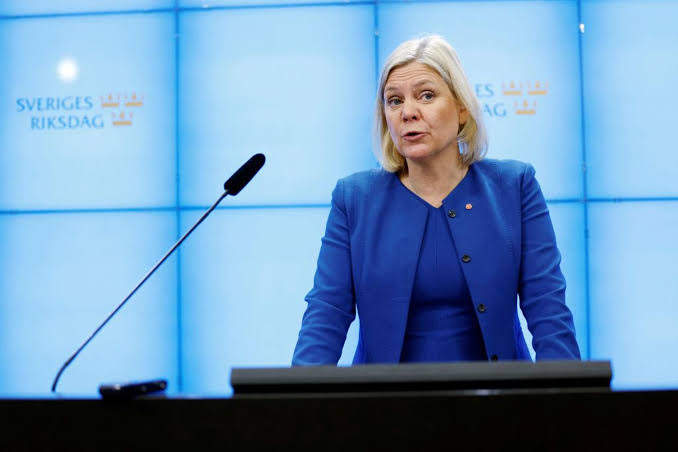
Stockholm: The Swedish government has failed to secure parliamentary approval for its proposal to expand the circumstances under which children can be placed in immigration detention, after opposition parties successfully moved to delay consideration of the measure.
On Monday, the Riksdag was debating a government bill aimed at tightening rules on the surveillance and detention of foreign nationals during migration procedures. However, before a final vote, the Centre Party (C) and the Green Party (MP) submitted a request to suspend the section of the bill concerning child detention for one year.
Under Swedish parliamentary procedure, a minority of lawmakers can request a suspension if a proposal is considered to potentially restrict constitutional freedom of movement. The mechanism is designed to prevent rapid legislative changes affecting fundamental rights.
Because of the request, the government needed a five-sixths majority to proceed with the bill immediately—support it ultimately failed to secure. The Social Democrats (S) and the Left Party (V) also backed the opposition’s position.
The matter will now be reviewed by the Committee on the Constitution (KU), which will assess whether the conditions for a suspension are met. A further vote in the Riksdag will follow after the committee’s determination.
If KU concludes that the suspension rules apply, the government would again require a five-sixths majority to advance the proposal without delay. If it determines that the rules do not apply, the bill could pass with a simple majority.
The KU is scheduled to meet on Tuesday, though a decision is not expected immediately. In that case, the committee may also seek input from the Council on Legislation before finalizing its opinion. A new parliamentary vote could theoretically take place as early as Wednesday.
The proposed legislation seeks to broaden the conditions under which individuals with deportation orders can be detained or placed under supervision, particularly in cases where there is a risk of absconding. It also includes provisions extending detention periods for children seeking asylum.
Under the draft rules, the maximum detention period for asylum-seeking children would increase from three days to six days, with a possible extension to 12 days in exceptional cases.
The Centre Party and Green Party have criticized the proposal, arguing that it significantly increases detention periods for children and could, in some cases, result in separation from guardians if either the child or parent is placed in custody.
The government has stated that it intends for the new migration rules to take effect on July 21, 2026, pending parliamentary approval.