 111
111 2
2 3
3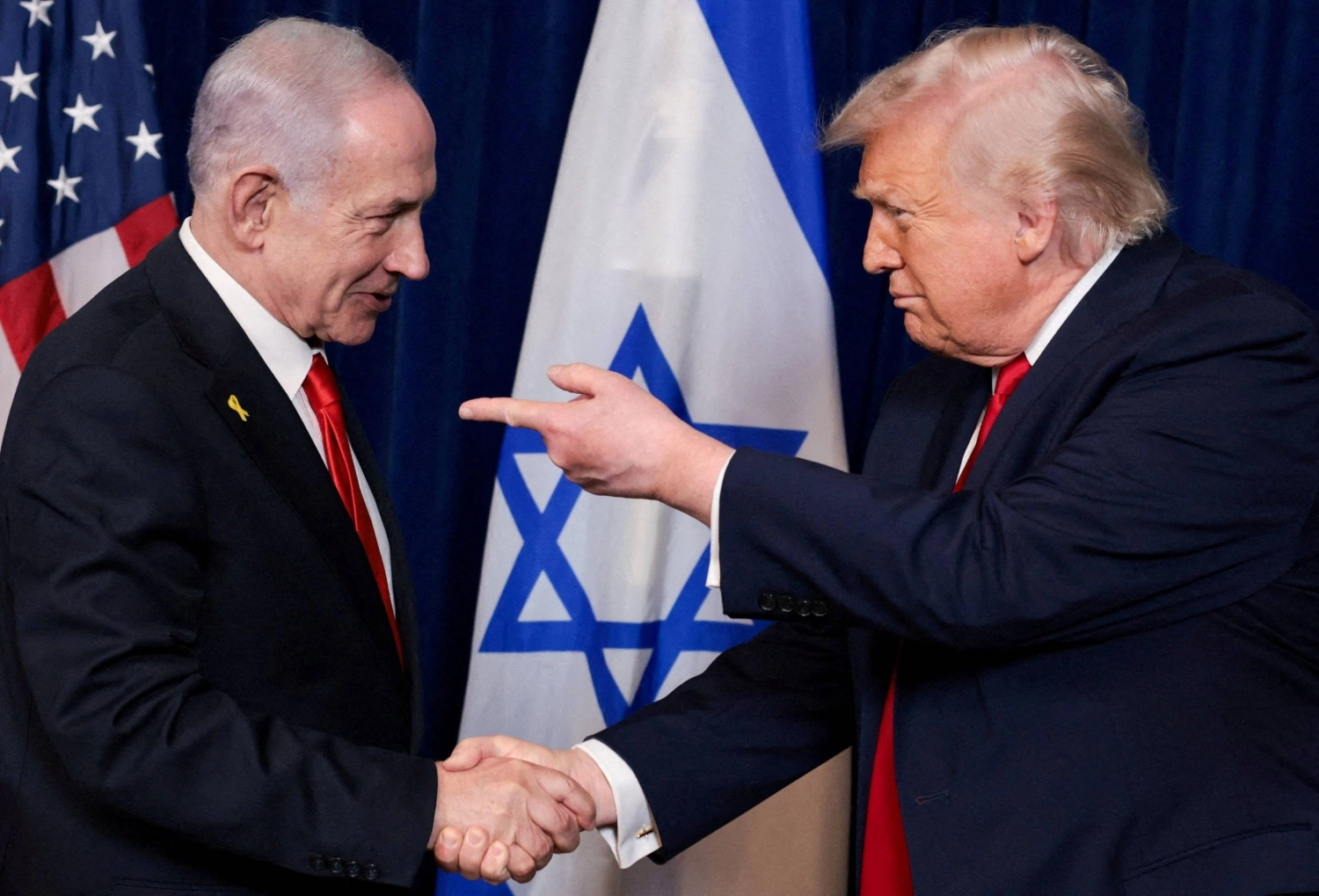
The latest tensions between U.S. President Donald Trump and Israeli Prime Minister Benjamin Netanyahu signal more than a temporary disagreement between two long-time allies. They reveal a fundamental shift in Washington’s Middle East priorities, one that could reshape regional power dynamics and force Netanyahu into one of the most difficult strategic decisions of his political career.
For months, Netanyahu portrayed Trump as Israel’s strongest international supporter. However, Trump’s pursuit of a U.S.-Iran agreement and his desire to stabilize energy markets, reduce regional conflict, and secure a diplomatic achievement have altered the equation. According to recent reports, Trump has openly criticized Israeli military actions in Lebanon, warning that continued escalation threatens broader diplomatic efforts with Iran.
The public nature of Trump’s criticism is particularly significant. American presidents have often disagreed with Israeli leaders behind closed doors, but Trump’s remarks—including calls for Netanyahu to act “more responsibly”—suggest a willingness to prioritize his own geopolitical objectives over traditional political alignment with Israel’s government.
The Israeli leader now faces two difficult options:
If Netanyahu aligns with Trump’s Iran strategy, he risks criticism from domestic political allies who believe Iran and its regional proxies remain existential threats. Many Israeli security hawks fear that any agreement leaving Iran with significant regional influence could weaken Israel’s deterrence posture.
Supporting the U.S. initiative may preserve Israel’s strategic relationship with Washington, but it could also be portrayed by opponents as surrendering Israeli security concerns to American political calculations.
The alternative is equally risky. Defying Washington could isolate Israel diplomatically at a moment when it depends heavily on U.S. military, intelligence, and diplomatic support. Reports indicate that Trump has become increasingly frustrated with Israeli military actions that he believes jeopardize negotiations with Tehran.
Should Netanyahu continue aggressive operations in Lebanon or oppose the Iran deal outright, he risks a deeper rupture with the White House—something few Israeli leaders have been willing to contemplate given the strategic importance of the U.S.-Israel alliance.
The emerging dispute reflects a broader reality: Trump’s Middle East policy appears increasingly driven by transactional objectives rather than ideological commitments. His focus on energy stability, avoiding prolonged military engagements, and securing a diplomatic legacy may outweigh traditional pro-Israel positions when those priorities conflict.
For regional actors, this sends a powerful message. Iran, Gulf states, and Hezbollah are all watching whether Washington is prepared to pressure Israel in pursuit of a wider regional settlement. If Trump succeeds, the balance of power in the Middle East could shift toward diplomacy and negotiated arrangements. If the effort collapses, the region could return to a cycle of confrontation and proxy warfare.
The current dispute does not necessarily signal a permanent breakdown in relations. The strategic partnership between the United States and Israel remains deeply institutionalized through military cooperation, intelligence sharing, and political ties. However, it does demonstrate that even one of Israel’s closest allies may place broader geopolitical goals ahead of Israeli preferences when national interests diverge.
The central argument of Sky News’ analysis is that Trump has effectively left Netanyahu with no easy path forward. By pursuing a deal with Iran while criticizing Israeli military actions, Trump has transformed what was once a highly aligned partnership into a relationship marked by competing priorities. Netanyahu must now choose between preserving his relationship with Washington or maintaining a hard-line security strategy that many of his supporters view as essential. Either choice carries substantial political and strategic costs, making this one of the most consequential moments in U.S.-Israel relations in recent years.