 11
11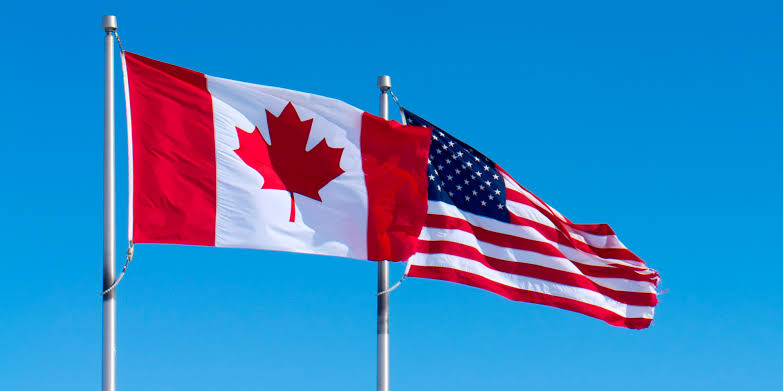
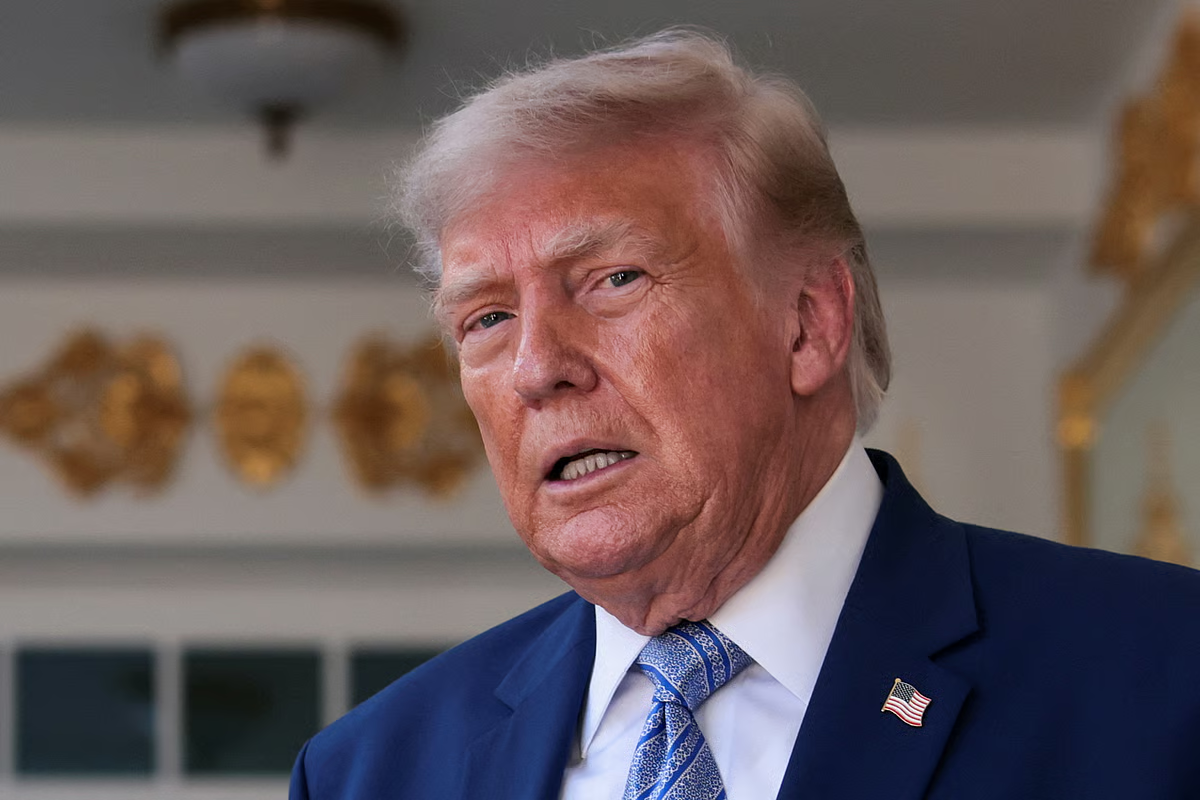
WASHINGTON: President Donald Trump’s escalating trade dispute with Canada is creating economic uncertainty in several U.S. states that will play a critical role in determining control of the Senate in the upcoming midterm elections.
The intensifying trade tensions come at a politically sensitive time for Republicans, as voters remain focused on inflation, consumer prices and the broader state of the U.S. economy. The impact of tariffs on industries and businesses in border states could become an important issue in closely contested Senate races.
Maine, Michigan, Ohio and Alaska are among the states where Canada is an important trading partner and where competitive Senate contests are expected. Republican Sen. Susan Collins of Maine, for example, has expressed concern about the potential economic consequences of tariffs for industries in her state, including lobster and lumber.
The latest escalation followed the breakdown of U.S.-Canada trade negotiations. The Trump administration has imposed 50% tariffs on about $20 billion worth of Canadian goods, while Canadian Prime Minister Mark Carney has announced plans for retaliatory tariffs against U.S. products.
The trade confrontation has raised concerns among businesses and consumers about higher prices, disrupted supply chains and potential damage to industries that depend heavily on cross-border commerce. The United States and Canada maintain one of the world’s largest trading relationships, making prolonged tensions potentially significant for both economies.
Democrats are seeking to use the tariff dispute to challenge Republican candidates, arguing that Trump’s trade policies could increase costs for American consumers and place additional pressure on businesses. Republican candidates, meanwhile, face the challenge of supporting the president’s trade strategy while responding to concerns among voters and local industries.
Trump has defended his tariff policies as necessary to secure more favorable trade terms for the United States. Canadian officials have rejected the U.S. approach and pledged to defend Canada’s economic interests.
With the 2026 midterm elections approaching, the dispute with Canada is increasingly becoming both an economic and political issue, particularly in states where Senate races could determine which party controls the chamber.