 11
11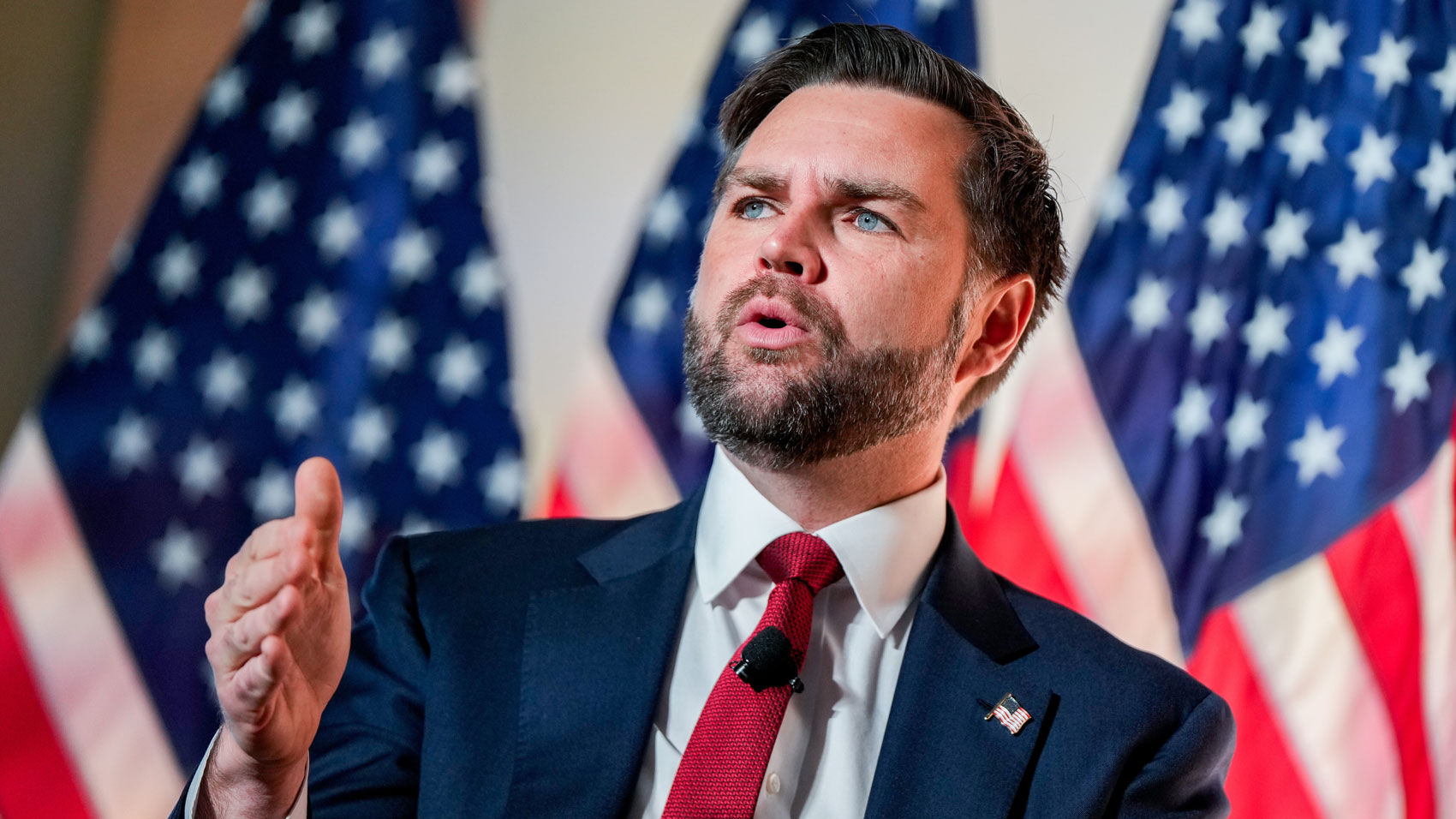
WASHINGTON — US Vice President JD Vance has said Washington has multiple options for dealing with Iran, stressing that the United States’ primary objective in the Middle East is to prevent Tehran from acquiring nuclear weapons.
Vance said the most effective way to pressure Iran would be to make the country pay a price for continuing its oil and gas trade. He also indicated that the United States would maintain economic pressure on Tehran as part of its broader strategy.
The US vice president further said that simply holding a meeting or signing a deal would not automatically result in the release of Iran’s frozen funds. He also argued that Iran does not have the ability to completely shut down international trade routes.
Vance said the United States has been able to maintain oil shipments through the Strait of Hormuz, with between 7 million and 15 million barrels of oil being transported through the strategic waterway each day, according to the report.
His remarks come amid heightened tensions between Washington and Tehran, with Iran facing increasing US economic pressure and warnings over possible restrictions on energy exports and shipping through the Strait of Hormuz.
The comments underscore the Trump administration’s emphasis on economic pressure and control of strategic energy routes as key elements of its policy toward Iran. Washington has maintained that preventing Iran from obtaining nuclear weapons remains a central objective of its Middle East policy.
Meanwhile, Iranian officials have threatened to disrupt oil exports from the Gulf in response to continued US economic pressure, raising concerns over the potential impact on global energy markets and international shipping.
The developments have further intensified uncertainty surrounding the future of US-Iran relations and the security of one of the world’s most strategically important energy corridors.