 11
11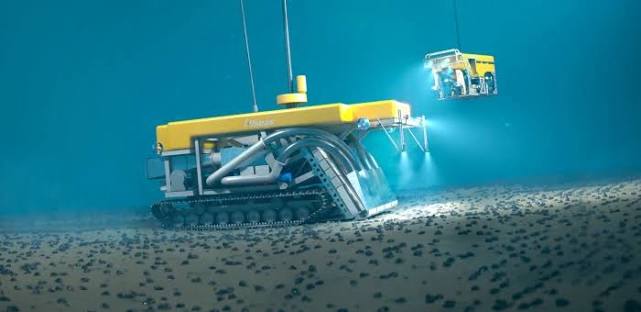
WASHINGTON — A US government proposal to lease millions of hectares of seabed in the Pacific for deep-sea mineral exploration has drawn strong opposition from US Pacific territories and environmental groups, amid growing efforts by the Trump administration to secure supplies of critical minerals.
The Marine Mineral Administration, an agency under the US Department of the Interior, has proposed auctioning leases covering about 28 million hectares (69 million acres) of seabed near the Mariana Trench, off the coasts of the Northern Mariana Islands and Guam. The proposed leases would allow companies to explore for polymetallic nodules containing minerals considered important for batteries, electronics and defence technologies.
The initiative is part of Washington’s broader strategy to strengthen domestic access to critical minerals and reduce reliance on foreign suppliers, particularly China. President Donald Trump has made securing strategic mineral resources a national security and economic priority.
However, officials in the Northern Mariana Islands and Guam have expressed serious concerns about the potential environmental consequences of deep-sea mining. Northern Mariana Islands Governor David Apatang said his administration would approach the proposal with caution and called for rigorous scientific studies, transparency and safeguards for marine resources before any exploration activities begin.
Guam Lieutenant Governor Joshua Tenorio also voiced firm opposition, arguing that national security considerations should not expose Pacific communities to environmental risks before the consequences are fully understood.
The proposal follows a separate US initiative involving more than 12 million hectares of seabed around American Samoa, where the government plans to award exploration contracts later this year. American Samoa Governor Nikolau Pula has opposed deep-sea mining, warning that untested extraction methods could threaten the territory’s tuna fishing industry, which is an important part of its economy.
Environmental groups have also launched legal action against the US government over the American Samoa plans. They argue that seabed mining could severely damage marine ecosystems, disturb sediments and generate underwater noise capable of harming marine mammals and other wildlife.
The controversy reflects a broader international debate over deep-sea mining, with major powers increasingly seeking access to seabed resources while scientists and environmental organisations warn that the long-term effects on fragile ocean ecosystems remain insufficiently understood.
The Trump administration has argued that offshore mineral resources could help strengthen US supply chains for strategic materials, including nickel, cobalt, copper, manganese and rare earth elements.
The proposed Pacific leases are therefore emerging as part of a wider geopolitical and economic competition over critical minerals, with the United States seeking to accelerate access to seabed resources while Pacific communities demand stronger environmental protections and greater control over activities affecting their waters.