 11
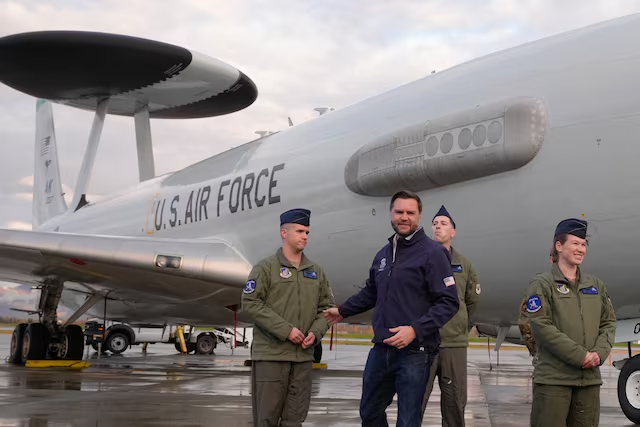
Fairbanks: United States Vice President JD Vance has said that Iran must make a “meaningful” reduction in its nuclear enrichment capacity in order to satisfy Washington’s demands and bring an end to the seven-month war between the two countries, while acknowledging that the United States remains uncertain about how decisions are made in Tehran.
Speaking in an exclusive interview with Reuters on Monday ahead of a campaign rally in Fairbanks, Alaska, Vice President Vance described a reduction in enrichment capacity as a fundamental threshold issue for any settlement. He made clear that Washington would not accept Iranian assurances of future nuclear drawdowns and would instead require Tehran to take concrete, verifiable steps to scale back its enrichment programme. “We’re not going to trade words for actions,” he said.
Questioning Iran’s stated position that it does not seek nuclear weapons, Mr. Vance argued that Tehran could demonstrate its commitment by reducing its stockpile of highly enriched material, asking why a country with no weapons ambitions would need uranium enriched to 60 percent purity.
The United States and Iran have exchanged proposals aimed at ending the conflict and reopening the Strait of Hormuz, a vital route for global energy shipments. However, President Donald Trump has rejected Tehran’s most recent offer and has warned that military operations could intensify following the US midterm elections. Mr. Vance said Washington remained open to an agreement but would insist on tangible nuclear concessions from Iran.
The Vice President also pointed to a key complication in the diplomatic process, saying the United States is not entirely clear who holds decision-making authority in Tehran. He noted that Washington has been engaged in talks with Iranian President Masoud Pezeshkian and Foreign Minister Abbas Araqchi.
Mr. Vance, a longtime sceptic of US military involvement abroad, has played a leading role in efforts to negotiate a settlement and brokered a provisional peace agreement in June that quickly collapsed. He told Reuters he has held personal conversations with field commanders to assess battlefield conditions, though he declined to confirm whether he is formally leading the peace talks, despite frequently being cited as the White House’s principal negotiator.
Widely regarded as a leading Republican contender to succeed President Trump, Mr. Vance said he has not yet decided whether to seek the presidency in 2028.