 11
11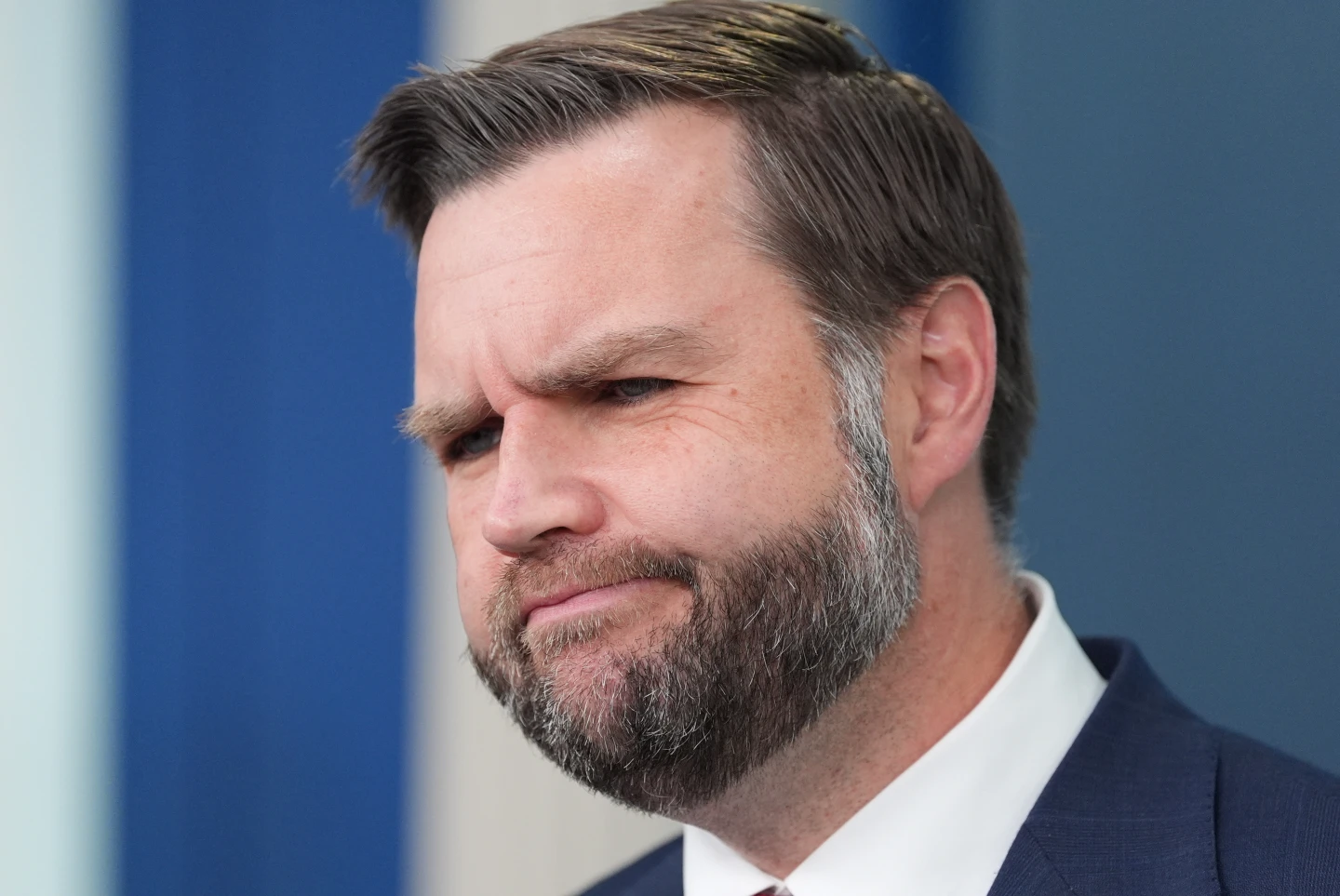
WASHINGTON: U.S. Vice President JD Vance has rejected describing the ongoing U.S. conflict with Iran as a “war,” as the Trump administration seeks to manage escalating tensions in the Middle East, rising energy prices and growing political pressure ahead of November’s congressional elections.
Speaking at a White House press briefing on Thursday, Vance said he would not call the six-month-old confrontation a war, arguing that there was currently no active shooting between the United States and Iran. He nevertheless acknowledged continued Iranian attacks on commercial vessels transiting the strategically important Strait of Hormuz.
Vance defended recent U.S. military strikes, saying Washington had a responsibility to protect commercial shipping through the Strait of Hormuz. Iran has continued retaliatory attacks following U.S. strikes earlier this week, including an attack on Kuwait, a key U.S. Gulf ally.
The conflict has also intensified pressure on global energy markets. Brent crude was trading above $95 a barrel on Thursday, compared with around $72 before the conflict began. The Strait of Hormuz previously carried about one-fifth of the world’s oil supplies, making the security of the waterway a central concern for international markets.
The Trump administration has maintained that the U.S. Navy is facilitating the movement of oil through the strait. Vance said approximately 15 million barrels of oil were escorted through the waterway on Wednesday, while Energy Secretary Chris Wright had previously cited 17 million barrels for Monday. However, independent shipping data indicates that traffic remains significantly below pre-conflict levels.
According to Lloyd’s List Intelligence, there were 102 vessel transits through the strait last week and 126 the previous week, compared with more than 130 transits per day before the conflict. TankerTrackers.com estimates that an average of about 5 million barrels a day exited the strait over the past 28 days, although other estimates have placed the figure between 2 million and 6 million barrels a day.
President Donald Trump has increasingly combined military pressure with economic measures aimed at weakening Iran. At the same time, his administration has sought to reassure energy markets and avoid a sharp escalation in oil prices.
The prolonged conflict presents an additional political challenge for Trump and Republicans as the November 3 midterm elections approach. The White House had initially indicated that the military campaign would last only several weeks, but the confrontation has now entered its sixth month, contributing to higher gasoline prices and renewed inflation concerns.
Vance declined to establish a timeline for ending the conflict, saying that the duration of the confrontation ultimately depends on Iran’s actions. Analysts cited by AP said the administration appears to be pursuing a middle course—maintaining economic and military pressure while avoiding either a major escalation or significant concessions to Tehran.
The Strait of Hormuz remains at the center of the confrontation, with Washington seeking to restore unrestricted shipping while Iran continues to use its position around the strategic waterway as leverage in the broader dispute.