 11
11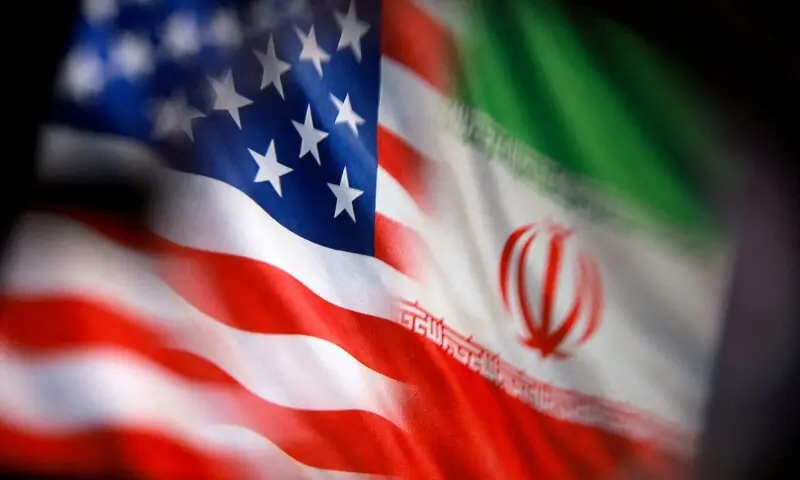
DUBAI: The United States and Iran have intensified their military confrontation over the strategic Strait of Hormuz, with both sides carrying out near-daily attacks despite mounting international calls for de-escalation, underscoring the growing limits of military action in resolving the crisis.
President Donald Trump’s administration has continued a sustained campaign of airstrikes targeting Iranian military infrastructure, missile sites and maritime capabilities, saying the operations are aimed at protecting freedom of navigation through the Strait of Hormuz and deterring further attacks on U.S. forces and commercial shipping. Iran, however, has maintained its military posture and continued retaliatory operations, rejecting pressure to alter its position.
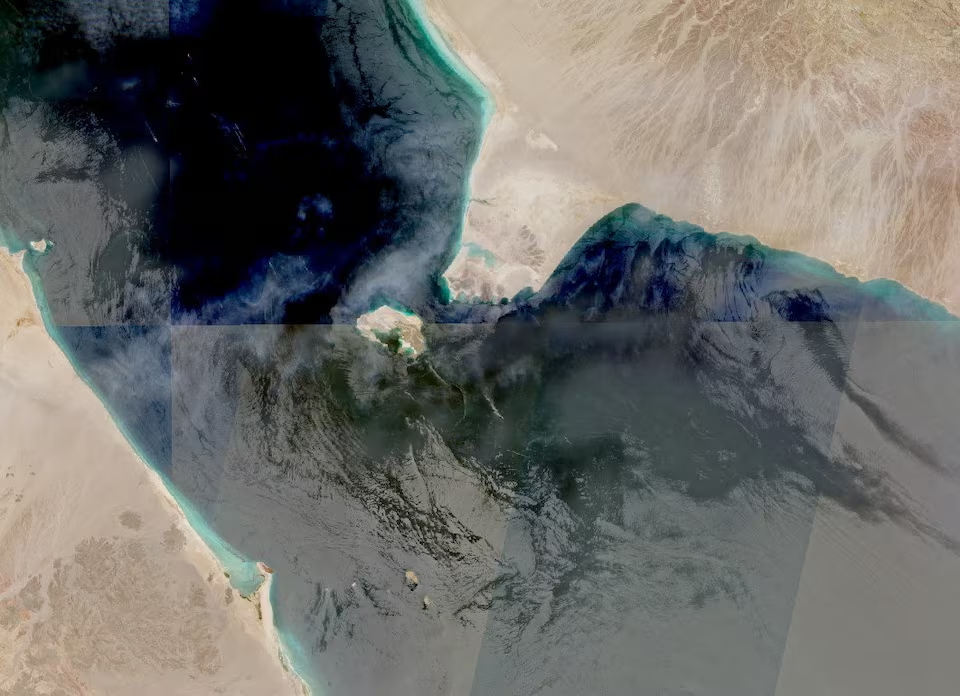
The Strait of Hormuz, through which a significant share of the world’s oil and liquefied natural gas supplies passes, remains at the center of the confrontation. The prolonged hostilities have disrupted maritime traffic, heightened risks to commercial vessels and contributed to volatility in global energy markets, raising concerns among governments and industry stakeholders.
Despite the ongoing military exchanges, diplomatic channels have not been completely closed. U.S. officials have indicated that Washington remains open to negotiations if Iran demonstrates a willingness to engage, while regional mediators continue efforts to revive ceasefire talks. However, analysts say deep mistrust between the two sides and the absence of a clear political roadmap have significantly reduced the prospects for an immediate breakthrough.
Security experts warn that while airstrikes may inflict tactical damage, they are unlikely to achieve lasting strategic objectives without a broader diplomatic framework. The continuing conflict has also increased the risk of a wider regional escalation, with neighboring countries closely monitoring developments that could have far-reaching implications for Middle East stability and global energy security.