 11
11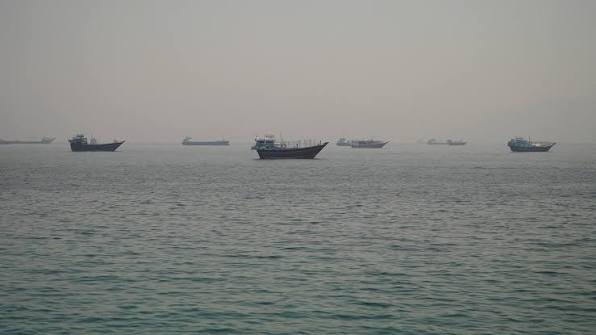
Iranian commanders warn of a multi-domain response; Bessent to unveil measures Monday amid collapsing Hormuz traffic
DUBAI — Iran warned on Friday that it would answer any fresh American threats with a “devastating” response, hours after Washington vowed to impose the most severe financial penalties in its history in a declared bid to bring down the Iranian leadership.
U.S. Treasury Secretary Scott Bessent said he would set out the details of the sanctions package at a press conference on Monday. The announcement follows President Donald Trump’s warning of economic consequences for any government offering Tehran what he termed a lifeline of any kind.
Military and political leaders in Tehran respond
Major General Ali Abdollahi, chief of staff of Iran’s Armed Forces, said the Islamic Republic’s reaction would be broad and decisive. Citing readiness across land, sea, air, air defence and cyberspace, he pledged “crushing, punishing and devastating responses” to what he described as the enemy’s new threats, according to Iranian media.
Parliament Speaker Mohammad Baqer Qalibaf, Tehran’s lead negotiator in mediated talks with Washington, argued that the United States had concluded it could not win the direct military confrontation. Speaking in neighbouring Iraq, he accused Washington and Israel of turning to economic and “cognitive” warfare, and called for plans to withstand the coming restrictions.
President Masoud Pezeshkian, regarded as a relative moderate and openly concerned about the economy, repeated that any attack would meet a crushing reply while arguing the war should end given what he characterised as American international isolation. Iran’s foreign ministry, speaking before Bessent, said sanctions would not shake Iranians’ determination to defend the country’s independence, dignity and sovereignty.
“One-two punch”
Bessent framed the measures as the second element of a combined campaign, pairing them with the naval blockade reimposed on Iran in July. He told CNBC the administration intended to bring down the government in Tehran and said it was time for allies and the wider world to choose a side.
He also disputed the market reaction to the threats, saying he did not understand why crude had risen, and suggested that maximum economic pressure made a large-scale return to military operations less likely.
Shipping and oil
Oil eased slightly on Friday but remained on course for a second consecutive weekly gain. The war, now approaching six months, has killed thousands, drawn in Gulf states and lifted global fuel prices as Iran has struck shipping in the Strait of Hormuz — a waterway that before February handled roughly one-fifth of all traded oil.
Traffic has since collapsed. Shiptracker Kpler recorded just seven commodity vessels transiting the strait on Thursday, half the previous day’s total and down from more than 130 daily before the conflict. Two ceasefire agreements, in April and June, were intended to restore free passage but both broke down soon after being announced.
Pressure on Beijing, risks for Washington
China purchases more than 80 percent of Iran’s seaborne crude, according to Kpler’s 2025 figures, and Bessent noted that half of Beijing’s energy comes from the Gulf, urging it to cooperate. Trade sources told Reuters that Iranian offers to Chinese buyers have already fallen since the July blockade took effect.
China’s embassy in Washington rejected the approach, saying sanctions and pressure do not resolve the problem and urging diplomacy. Analysts caution that escalating economic conflict with Beijing — which has recently relaxed export curbs on rare-earth minerals — invites retaliation.
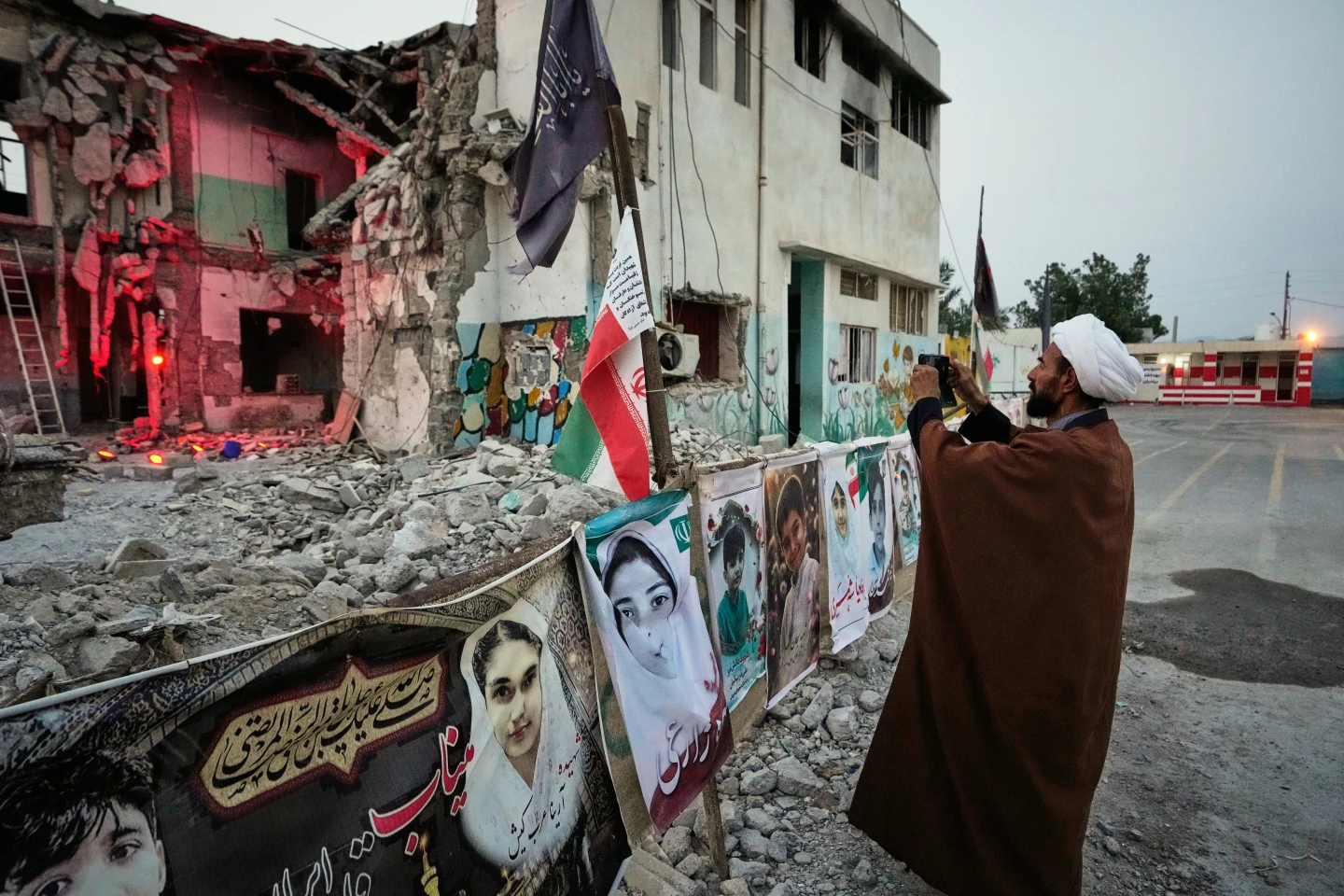
Tightening sanctions carries further hazards for Washington’s Gulf allies, some of whose energy installations and the desalination plants supplying their drinking water have already been targeted by Iranian strikes.
Domestically, Trump faces mounting pressure to end the war, with elevated fuel prices weighing on his approval ratings and threatening Republican control of Congress at November’s midterm elections.
Iran has lived under near-continuous sanctions since the 1979 Islamic Revolution, but its population now faces high inflation, a depreciating currency, energy shortages and war-damaged infrastructure. Some Iranians interviewed by Reuters said additional economic hardship could erode support for the clerical establishment and trigger unrest, though no such movement has emerged since the deadly suppression of protests in January.