 11
11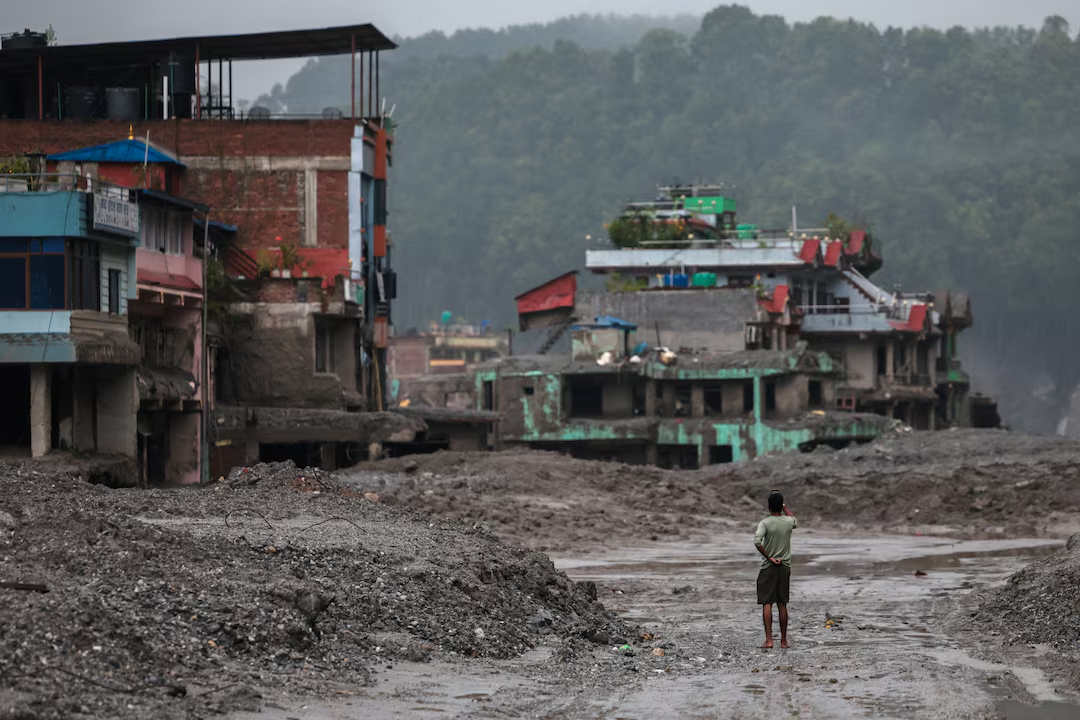
KATHMANDU: Nepal has called for international technical assistance following a devastating flood triggered by a glacier collapse, saying it needs specialised expertise rather than foreign search-and-rescue teams as authorities struggle with widespread destruction and difficult weather conditions.
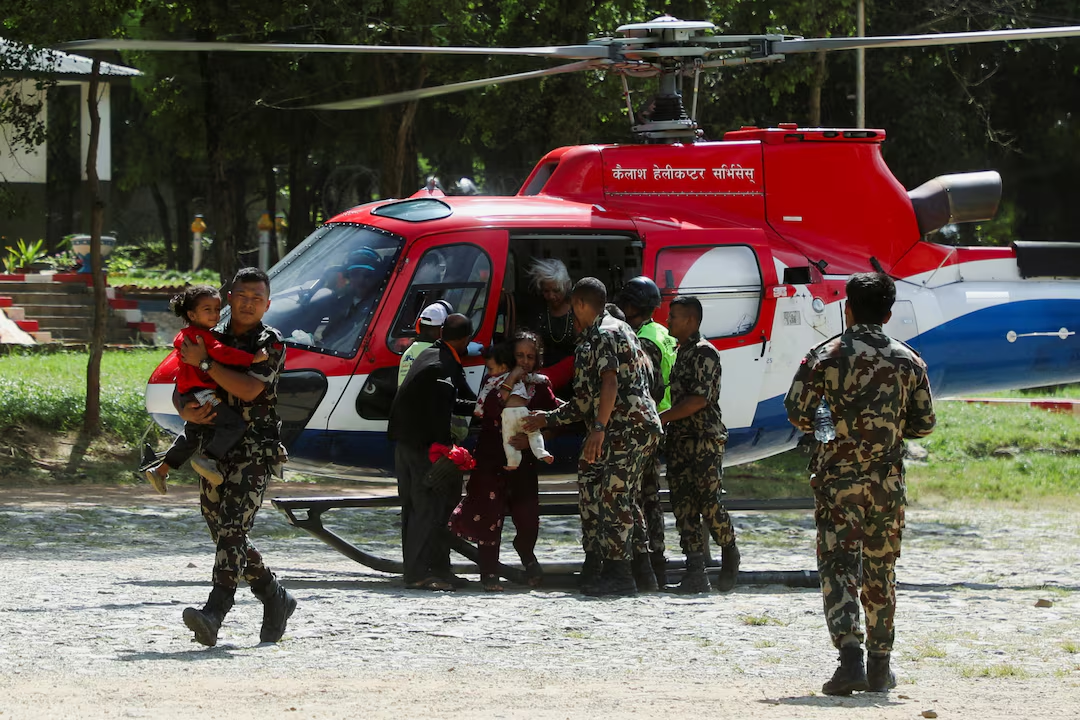
Nepal temporarily suspended search-and-rescue operations on Saturday because of rain and fog in the worst-affected areas along the border with Tibet. Authorities said the immediate focus had shifted toward transporting rescued people to Kathmandu and dealing with bodies recovered from the disaster zone.
Foreign Minister Shisir Khanal said Nepal required assistance in specialised areas, including rescuing people trapped in tunnels, reopening transport and communication links where bridges and other infrastructure had been destroyed, identifying victims, conducting DNA testing and preserving bodies for longer periods.
“We have already made requests for such specialised services and technical assistance in areas where we don’t have enough expertise and technical know-how,” Khanal told Reuters.
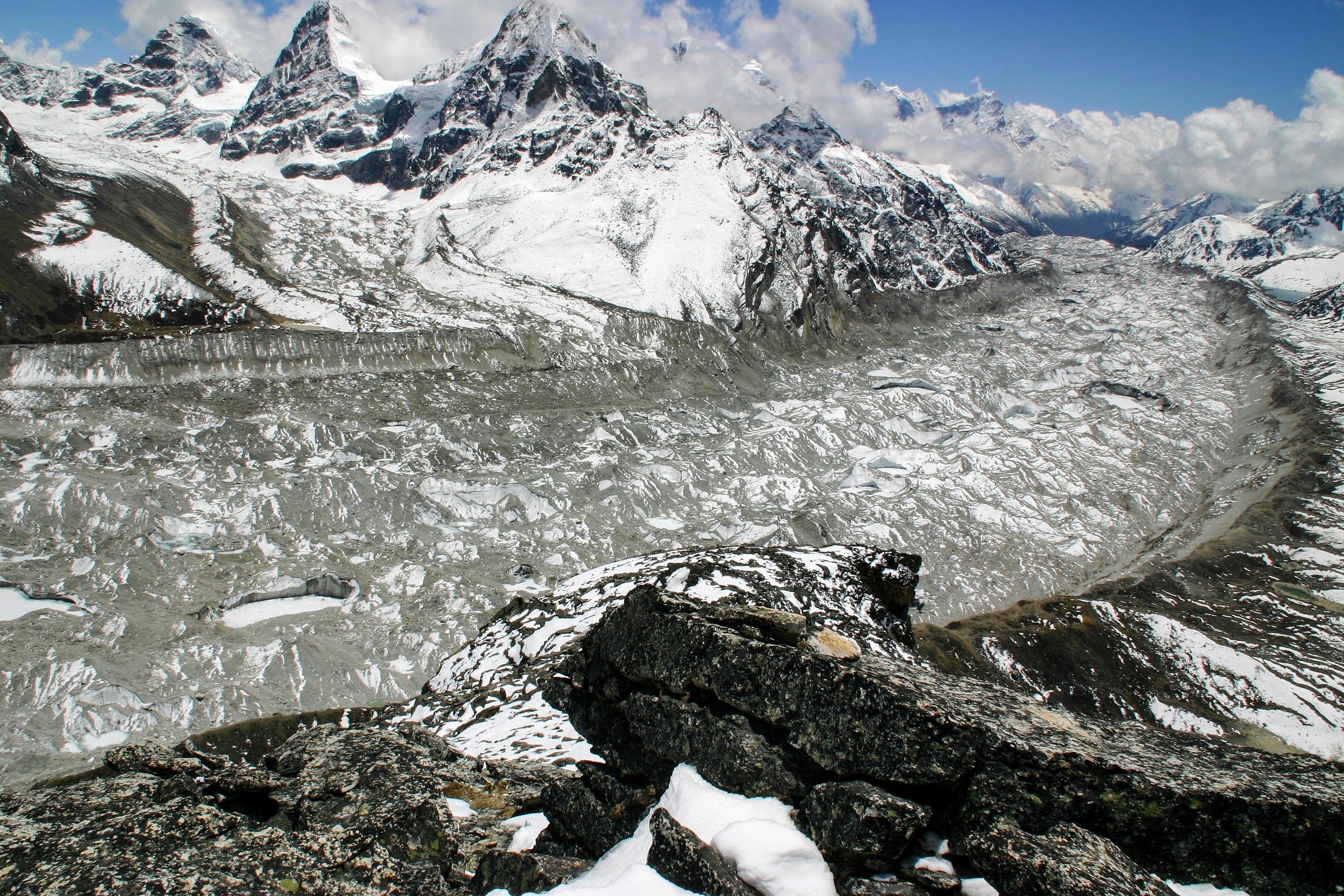
The disaster struck on Wednesday after a glacier collapse sent massive torrents of rock, ice, mud and debris through mountain river systems. At least 626 people have been killed in Nepal and seven in China’s Tibet, while nearly 3,000 people remain missing. Among those missing are more than 540 foreign nationals, many of them Hindu pilgrims from India.
Authorities have also begun collecting DNA samples from bodies that have become difficult to identify because of decomposition. Officials said some bodies would be buried after the necessary legal procedures because of health concerns and the risk of disease outbreaks.
Meanwhile, the threat of further flooding has eased somewhat after water levels in one of two lakes formed upstream of the disaster area began declining. Nepal continues to monitor both lakes, warning that risks will remain until the water has drained sufficiently.
India has already sent relief supplies, including food, medicines, blankets and water-purification tablets, and has offered additional technical assistance, including tunnel-rescue and medical teams as well as equipment to restore damaged connectivity. China has also called for international cooperation and emergency assistance for the affected areas.
Nepal’s Finance Minister Swarnim Wagle said the country could require between $4 billion and $5 billion for reconstruction, although the government acknowledged that the full extent of the damage was still being assessed.