 11
11
KATHMANDU: A devastating flash flood triggered by a massive ice-and-rock avalanche along the Nepal-China border has killed hundreds of people and left nearly 1,500 others missing, including hundreds of foreign tourists and pilgrims, as rescue teams intensify efforts to locate survivors.
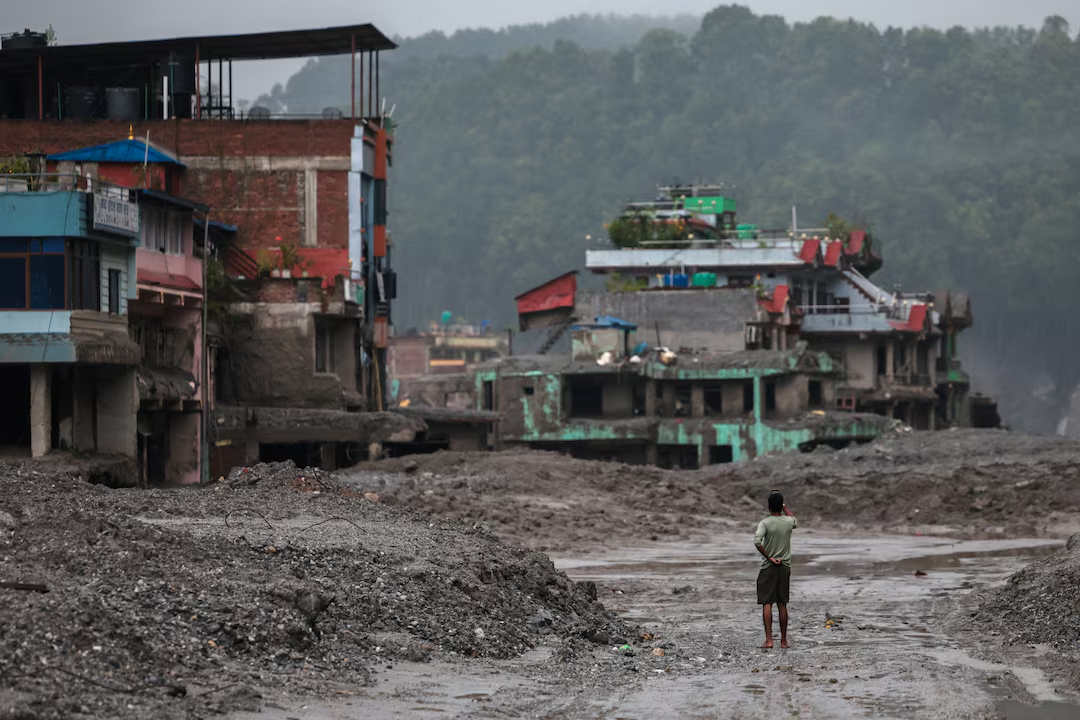
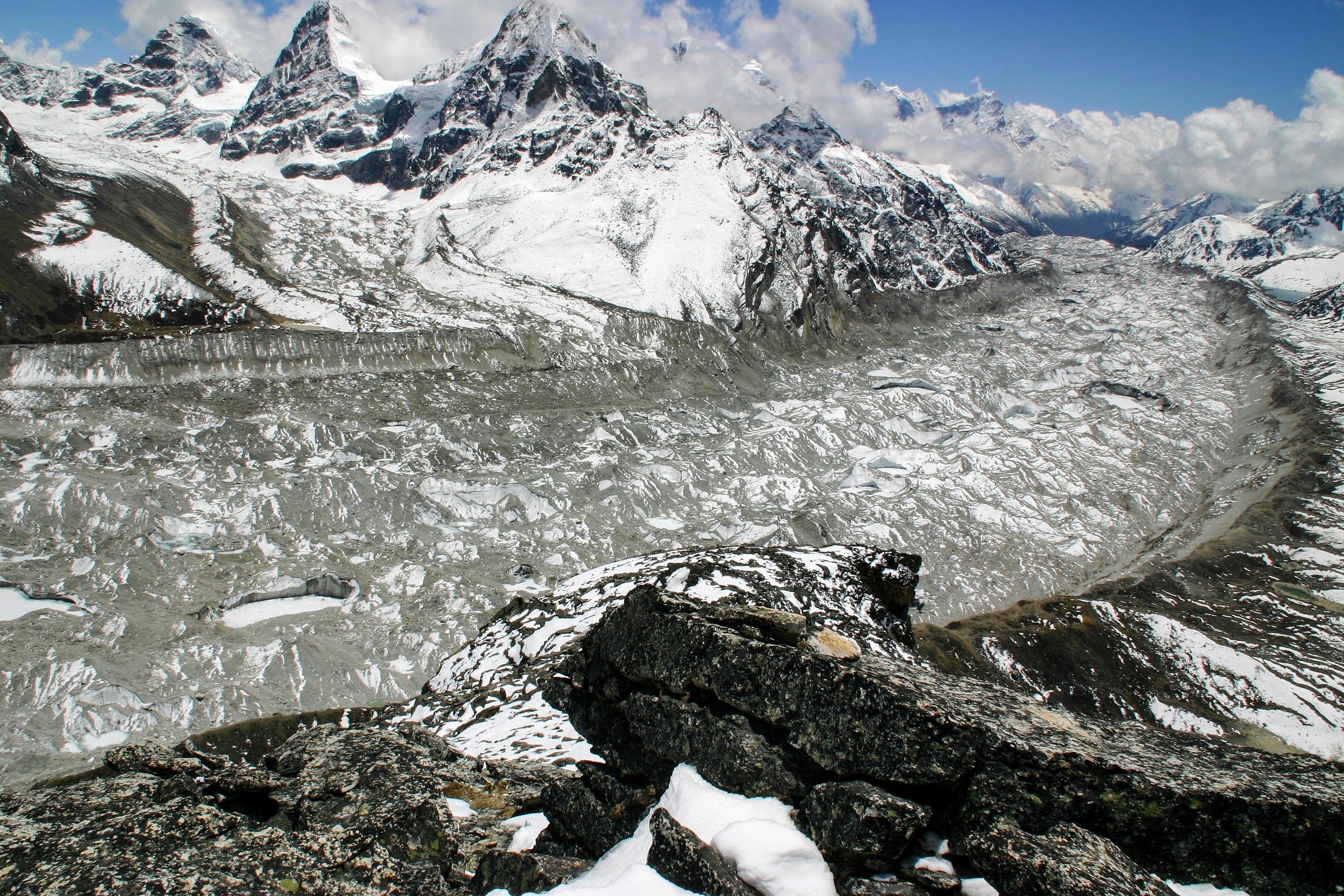
The disaster struck the Himalayan border region on Wednesday after a huge mass of ice and rock collapsed into the Lhende Khola river, generating a powerful surge of water, mud and debris that swept through communities and infrastructure in Nepal and China’s Tibet region.
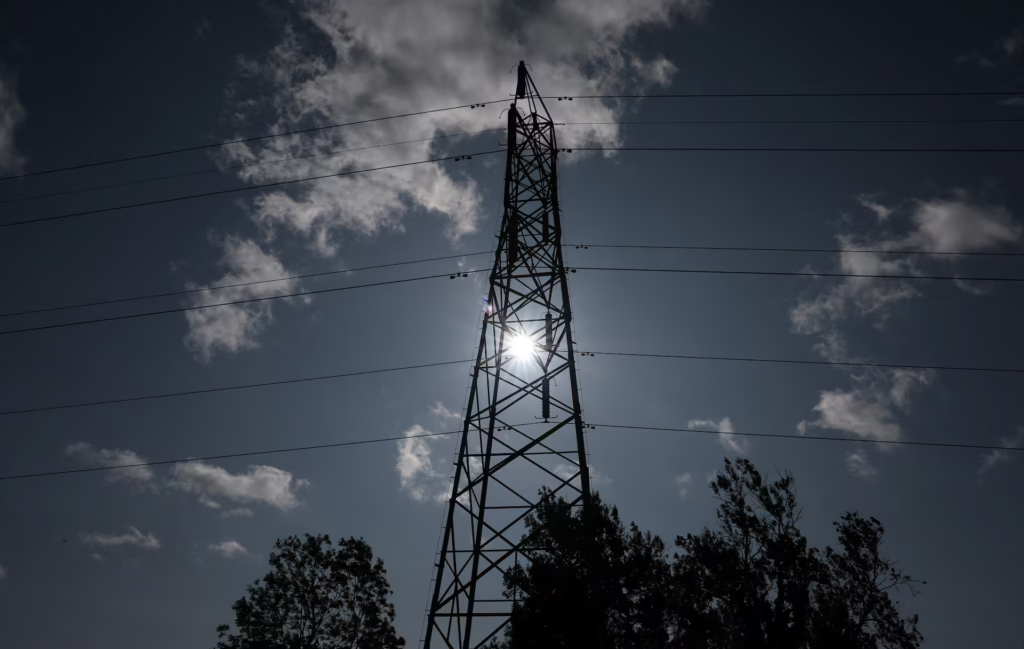
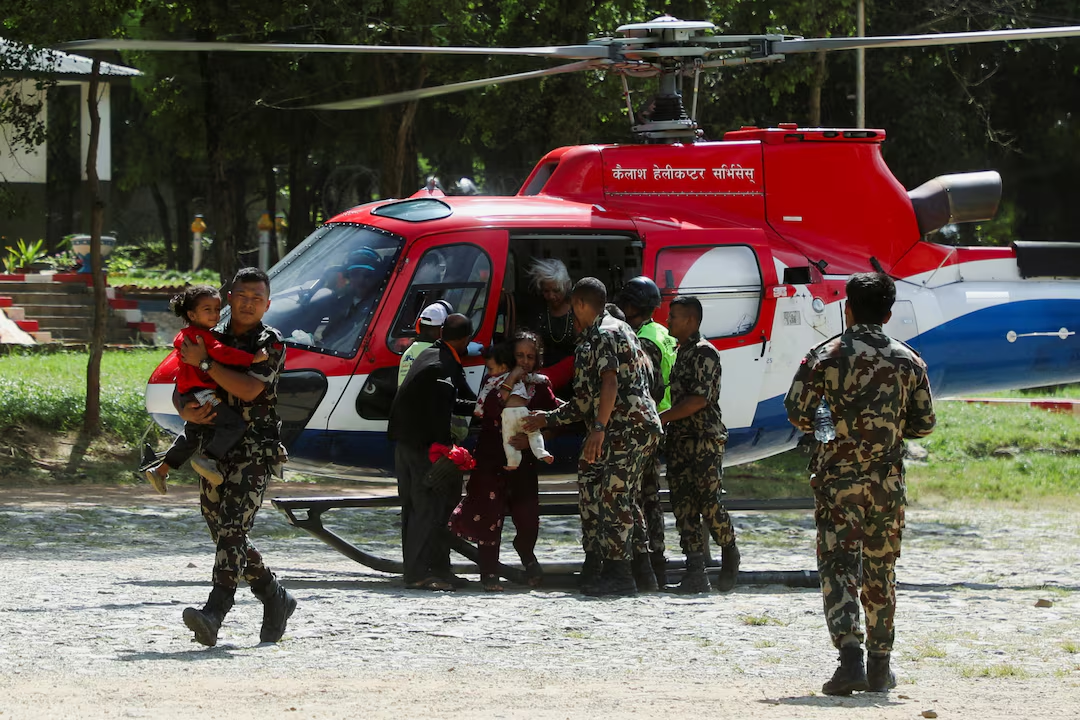
The floods destroyed roads, bridges, homes, power facilities and other critical infrastructure, cutting off several communities and disrupting a major route linking Kathmandu with Lhasa. Rescue authorities have deployed helicopters and thousands of personnel to search affected areas and deliver emergency supplies to isolated communities.
The number of missing people includes a large number of foreign nationals. Nepalese tourism officials said as many as 540 foreigners from 31 countries were among 667 tourists reported missing. Pilgrims travelling toward Mount Kailash and Lake Manasarovar in Tibet were among those caught in the disaster.
Authorities are facing severe difficulties in reaching affected areas because of destroyed roads, heavy deposits of mud and debris and continuing hazardous conditions. Hospitals have also been placed under pressure as rescuers recover bodies from the disaster zone.
The disaster has also affected China’s Tibet region, where authorities reported hundreds of people missing and confirmed deaths in Gyirong County. China has evacuated vulnerable communities and deployed rescue and emergency teams, while officials are monitoring a lake formed after debris blocked a river because of concerns that it could create another flood.
Scientists have linked the catastrophe to an ice-rock avalanche and warned that rising temperatures are contributing to the destabilisation of glaciers and mountain slopes across the Himalayas. Experts have cautioned, however, that the precise interaction between climate change, geological conditions and other factors remains under investigation.
The scale of the disaster has prompted international concern, with neighbouring countries and international organisations providing assistance. Rescue operations are continuing amid difficult terrain and weather conditions as authorities work to determine the full extent of the casualties and locate those still missing.
The catastrophe is among the most severe disasters to hit the Himalayan region in recent years, highlighting the growing vulnerability of mountain communities, vital infrastructure and international travel routes to extreme natural hazards.