 11
11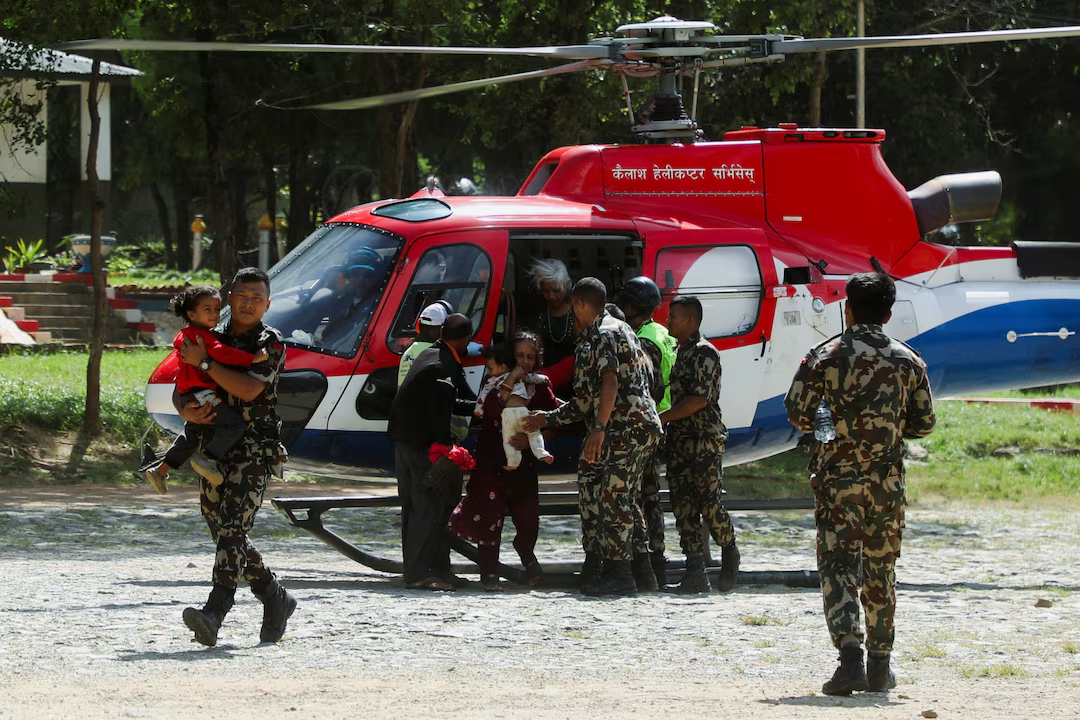
KATHMANDU: More than 90,000 people have been directly affected by a devastating landslide and flash flooding in the Himalayas, with urgent humanitarian assistance needed as authorities confront the risk of further disasters, the Red Cross said Friday.
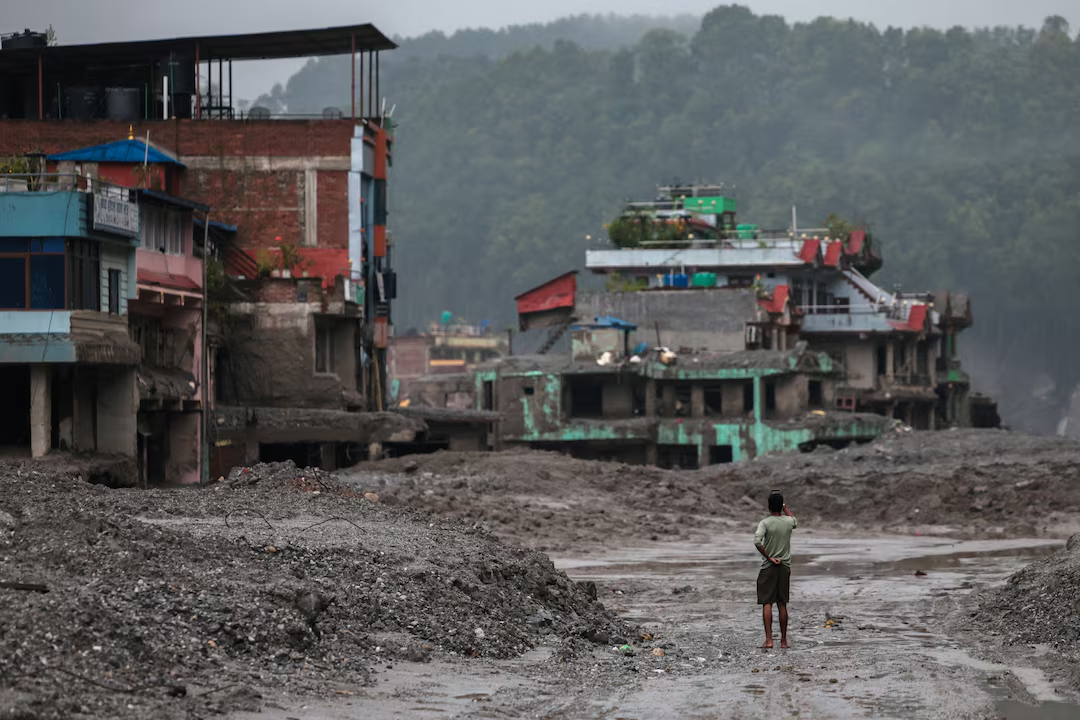
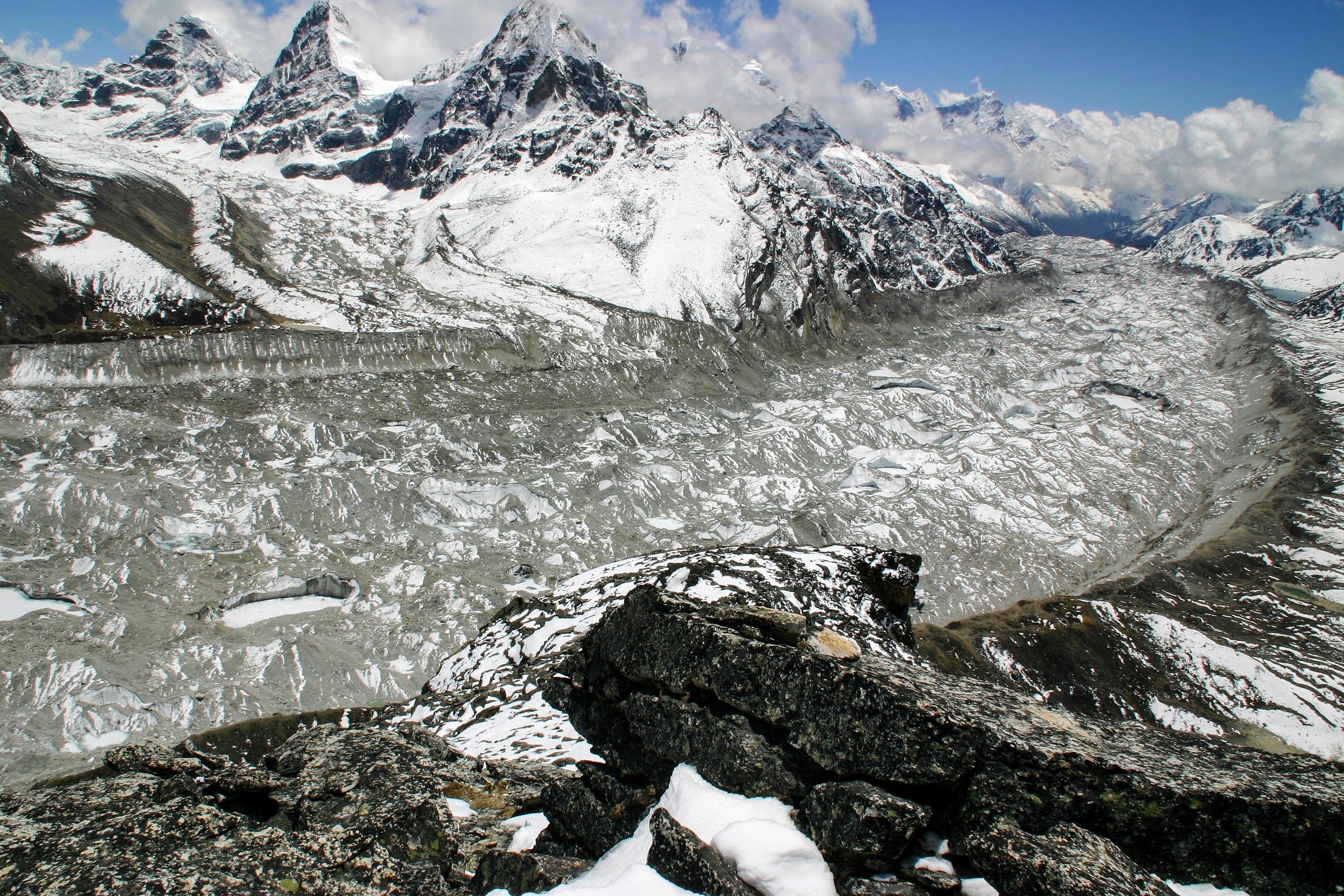
The disaster struck areas along the Nepal-China border after a glacier collapse triggered a powerful surge of water, ice, rocks and debris through mountain valleys. The flooding caused widespread destruction, claiming hundreds of lives and leaving large numbers of people missing.
David Fisher of the International Federation of Red Cross and Red Crescent Societies in Nepal said the humanitarian situation remained extremely concerning, particularly because of the threat of secondary flooding. A lake formed by debris from the landslide has breached its banks, adding to the dangers facing communities and hampering relief operations.
The unstable conditions have also disrupted access to affected areas. Relief trucks have faced difficulties reaching communities because roads and other infrastructure were damaged or destroyed by the initial disaster and subsequent flooding.
Kamal Kishore of the United Nations Office for Disaster Risk Reduction warned that the situation remained unstable and that further cascading hazards could occur. Authorities and humanitarian agencies are therefore maintaining heightened monitoring of the affected mountain areas.
The World Health Organization said the disaster had also inflicted significant damage on healthcare infrastructure. Six health facilities were destroyed, while eight healthcare workers were reported missing.
The WHO warned that the displacement of large numbers of people, overcrowded temporary shelters and damage to water, sanitation and healthcare systems could increase the risk of infectious diseases.
Humanitarian agencies are working with Nepalese authorities and local responders to provide emergency assistance to affected communities. However, the scale of the destruction, difficult mountainous terrain and damaged transportation links continue to pose major challenges to relief efforts.
The disaster has renewed concerns over the vulnerability of Himalayan communities to climate-related and geological hazards. Scientists have warned that warming temperatures are contributing to increasing instability in high-altitude environments, although the precise causes of individual glacier and landslide events require further investigation.
Relief agencies have called for continued international attention and assistance as rescue, recovery and humanitarian operations remain underway across the affected region.