 11
11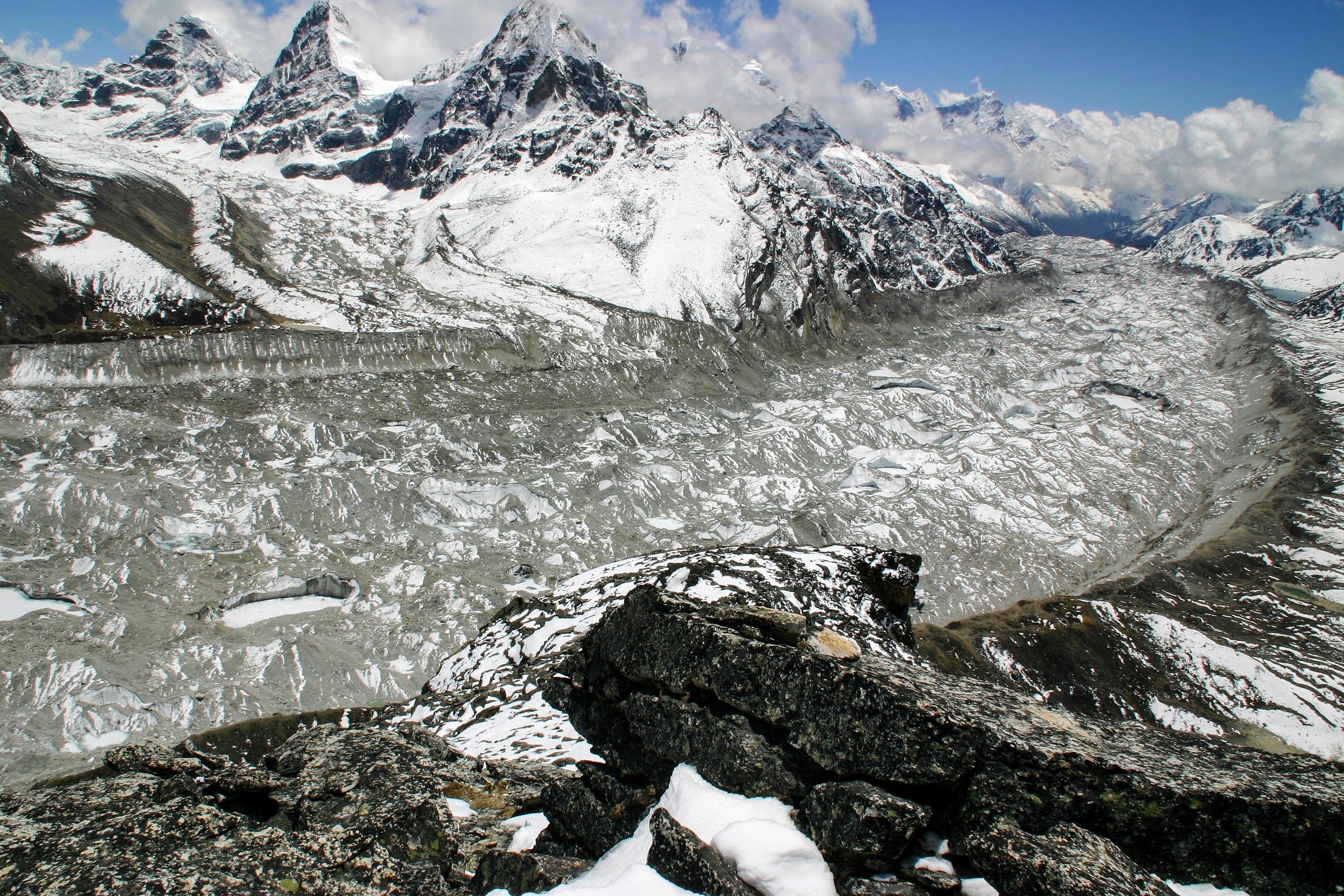
KATHMANDU: A devastating flash flood along the Nepal-Tibet border may have been triggered by the collapse of part of a glacier, which crashed into a mountain valley and unleashed a powerful surge of water, rock and sediment, experts said.
Satellite imagery reviewed by Reuters showed that a substantial section of a glacier had collapsed from an elevation of about 5,200 metres and fallen roughly 1,200 metres to the valley floor. Scientists said the collapse appears to have initiated an “ice-rock avalanche” that generated the catastrophic flooding.
The disaster struck Nepal’s mountainous Rasuwa district and adjoining areas of China’s Tibet region, causing extensive destruction to homes, roads, bridges, hydropower facilities and other infrastructure. The flood also sent a major surge through the Bhote Koshi and Trishuli river systems, with water levels reportedly rising by as much as nine metres within 30 minutes in areas downstream.
Initial reports suggested that an earthquake may have triggered the disaster. However, the U.S. Geological Survey said the seismic activity detected in the area was generated by the collapse of glacial rock and ice and the subsequent debris flow, rather than being the initial cause.
Experts said unusually rapid snow and ice melting may have contributed to the glacier’s collapse. Earth scientist Dan Shugar said satellite images appeared to indicate that significant amounts of snow had melted in the 24 hours preceding the disaster, suggesting unusually warm conditions in the high-altitude region.
Scientists cautioned that the precise cause remains under investigation and that climate change should not yet be regarded as the sole trigger. Rising temperatures, however, are increasingly destabilising glaciers and high-altitude terrain across the Himalayas by accelerating ice melt and altering freeze-thaw cycles.
The United Nations reported in 2023 that Nepal had lost nearly one-third of its mountain ice in just over three decades, while glacier melting in the country had accelerated sharply during the previous decade. Experts warned that such changes are increasing the potential for cascading hazards involving glaciers, landslides, rivers and downstream communities.
The disaster has raised further concerns over the vulnerability of communities and infrastructure in the Hindu Kush Himalayan region, where floods, landslides and glacial hazards are becoming increasingly severe. Scientists said understanding the interaction between climate change, seismic activity and mountainous terrain will be crucial for improving disaster preparedness and resilience.
As rescue and recovery operations continue, authorities are assessing the full scale of the devastation and monitoring the possibility of further hazards in the affected river systems.