 11
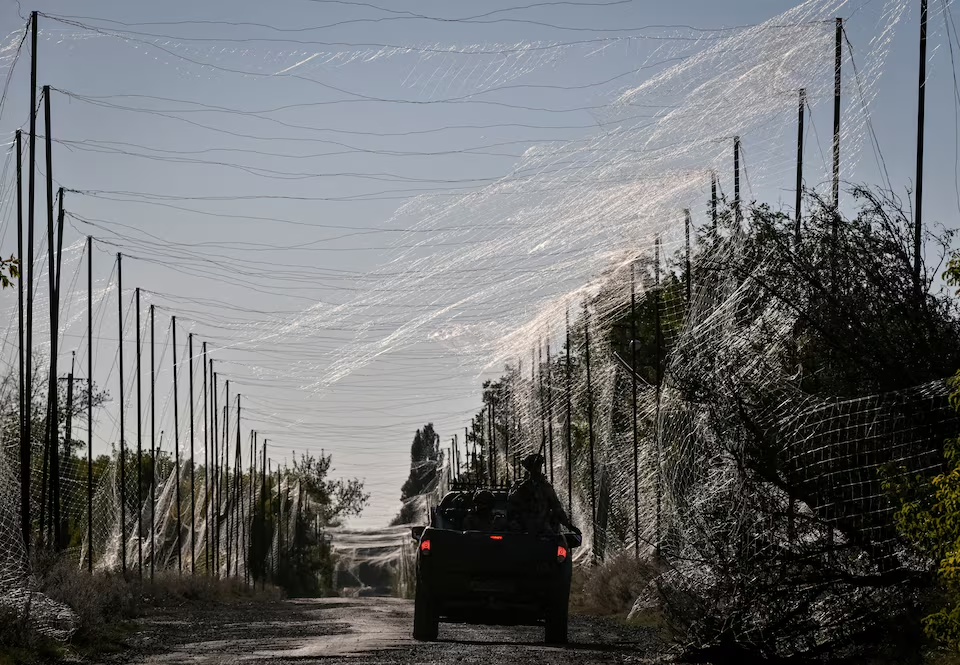
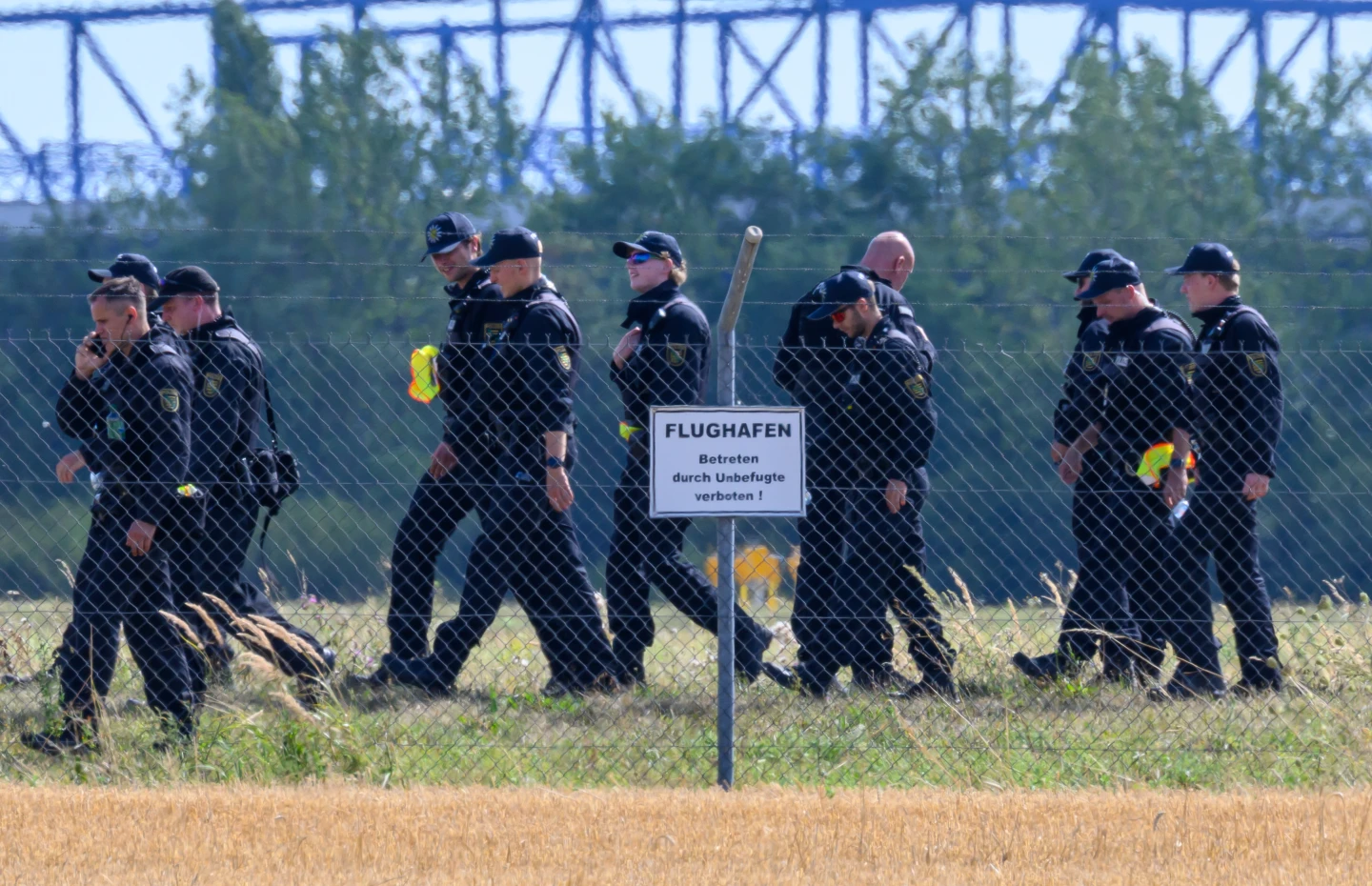
Brussels: European governments are weighing whether to give operators of critical infrastructure, including power utilities and energy transmission companies, the authority to detect, disrupt and shoot down hostile drones. These powers have traditionally been reserved for the military and security forces. The discussion follows a steady rise in drone incursions and so-called hybrid attacks across the continent since Russia’s full-scale invasion of Ukraine in 2022.
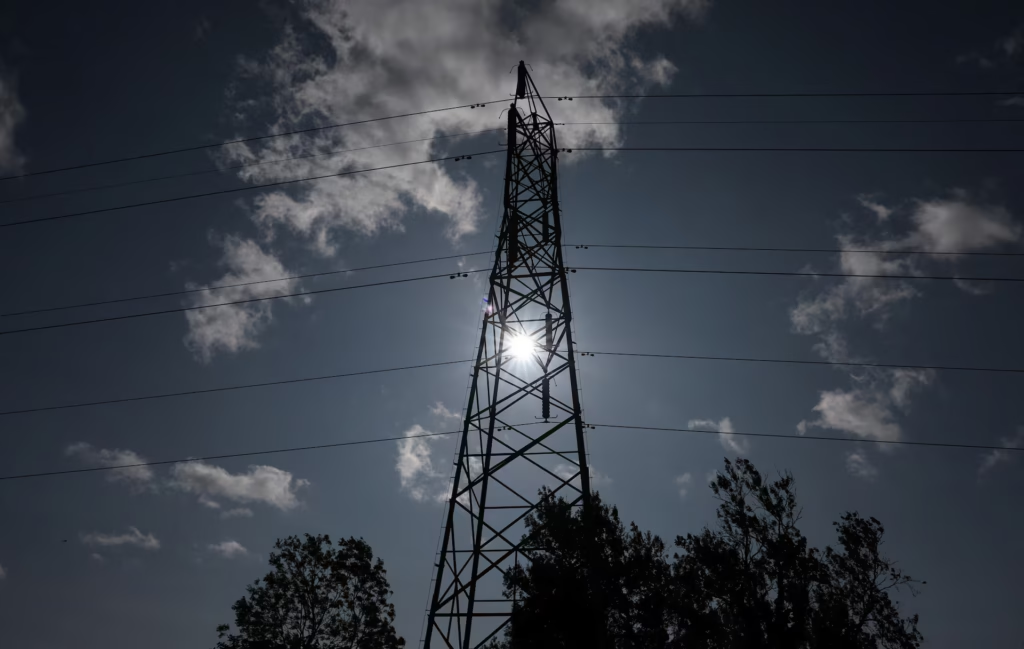
Private companies and state-owned entities that run essential services across Europe are pressing to strengthen their defences, and some utilities have asked for permission to bring down drones themselves. Governments from Paris to Berlin are paying close attention. They are concerned that a drone strike or other hybrid attack could cut electricity to millions of people, as has repeatedly happened in Ukraine after Russian strikes on its energy grid.
Kristian Ruby, Secretary General of the European electricity industry association Eurelectric, warned that heating outages this winter caused by hybrid attacks are a real and growing possibility, not merely a theoretical one.
France has moved first. In August, it passed legislation allowing approved operators of vital infrastructure and their contractors to detect, jam and shoot down drones near designated facilities, and it aims to equip an expanded list of sensitive sites by 2027. A French official said infrastructure operators had previously been left without defences against the drone threat, a concern that grew over the past decade as unmanned aerial vehicles became cheaper and more widespread. The official added that utility security staff should eventually be able to trigger an automated response at the press of a button, since training military-grade operators for every site would be unrealistic.
Other countries are following. In September, Austria announced plans to give comparable powers to critical infrastructure operators, including large energy companies. Poland has authorised designated security units to destroy, disable or take control of drones in restricted zones around key energy facilities. Germany is reviewing how private companies could play a role in counter-drone defence.
Significant legal and practical questions remain. Two sources at energy transmission companies on NATO’s eastern flank said operators would need firmer assurances, and possibly a court precedent, on who bears liability for collateral damage before they could act with confidence. Bringing down a drone could itself injure people or damage property, they noted, which may leave operators reluctant to intervene. Asta Sihvonen-Punkka, Chief Executive of Finnish grid operator Fingrid, described such a transfer of powers as “a very, very big change” that would require careful legal consideration.
Industry observers also point to a cost imbalance. Relatively inexpensive drones can cause damage that is costly to repair, and there are concerns that national authorities may not be able to respond quickly enough to protect infrastructure spread across wide areas. Utilities have spent years hardening their networks so they can recover quickly from disruption, so taking an active role in neutralising threats would mark a major shift in approach.
The defence industry is preparing for the change. German defence group Rheinmetall said interest from private infrastructure operators in counter-drone systems is rising sharply. The company is conducting workshops, site surveys and infrastructure assessments, and it expects the segment to grow quickly. Technology providers note that the customers for electronic jammers and interceptor drones now include utilities and other civilian operators, not only governments, police forces and armies. Companies also say that uncertainty over who can authorise a response is currently slowing investment in such countermeasures.