 11
11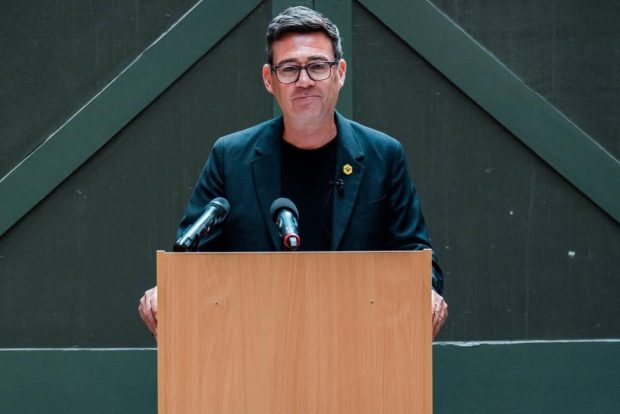
As Andy Burnham prepares to become the United Kingdom’s next prime minister, his biggest challenge may not lie in domestic reforms but in navigating an increasingly unpredictable international landscape dominated by U.S. President Donald Trump. A Guardian analysis argues that Burnham will inherit a world where diplomacy, strategic alliances, and crisis management will be as important as economic policy.
Unlike his predecessor, Keir Starmer, Burnham has already signalled a willingness to take more independent positions on foreign policy, particularly regarding the Gaza conflict. While this may strengthen his standing among parts of Labour’s grassroots, it also raises questions about how he will balance domestic political expectations with Britain’s longstanding commitment to the transatlantic alliance. Managing relations with Washington while maintaining Britain’s international credibility will require careful diplomatic judgement.
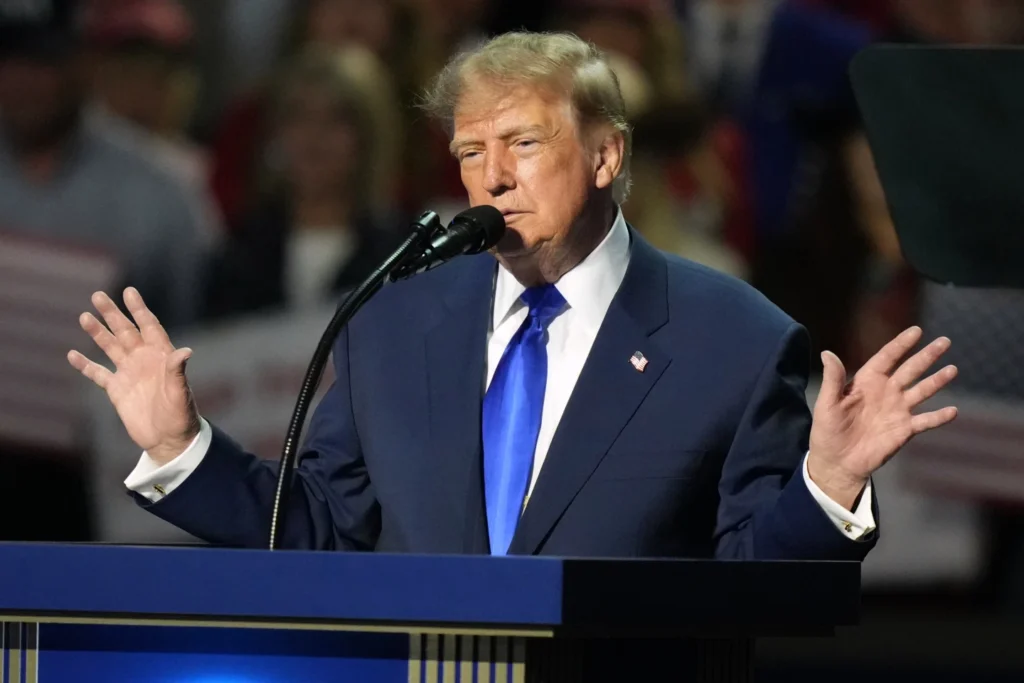
The article suggests that Donald Trump’s return to the White House has fundamentally altered the geopolitical environment. His transactional approach to diplomacy, scepticism toward traditional alliances, and willingness to use tariffs and economic pressure have created uncertainty among U.S. allies. For Britain, whose security and intelligence relationship with the United States remains central to its foreign policy, maintaining close cooperation without appearing politically dependent will be a delicate balancing act.
Another challenge for Burnham will be defining Britain’s role in an increasingly fragmented international order. Analysts cited by The Guardian argue that middle powers such as the UK may need to strengthen partnerships with European and Indo-Pacific allies to preserve the rules-based international system amid growing competition among major powers. Such a strategy would require Britain to diversify its diplomatic relationships while preserving the “special relationship” with Washington.
Domestically, Burnham’s political style—shaped by his experience as Mayor of Greater Manchester—has focused on consensus-building and pragmatic governance. Translating that approach to international diplomacy will be considerably more difficult, where decisions often involve competing strategic interests, security commitments, and economic priorities rather than local policy compromises.
Ultimately, Burnham’s success as prime minister may depend less on ideological positioning than on his ability to manage complex relationships with powerful allies while safeguarding Britain’s national interests. In an era of shifting alliances and heightened geopolitical uncertainty, effective diplomacy may prove to be the defining measure of his leadership.