 11
11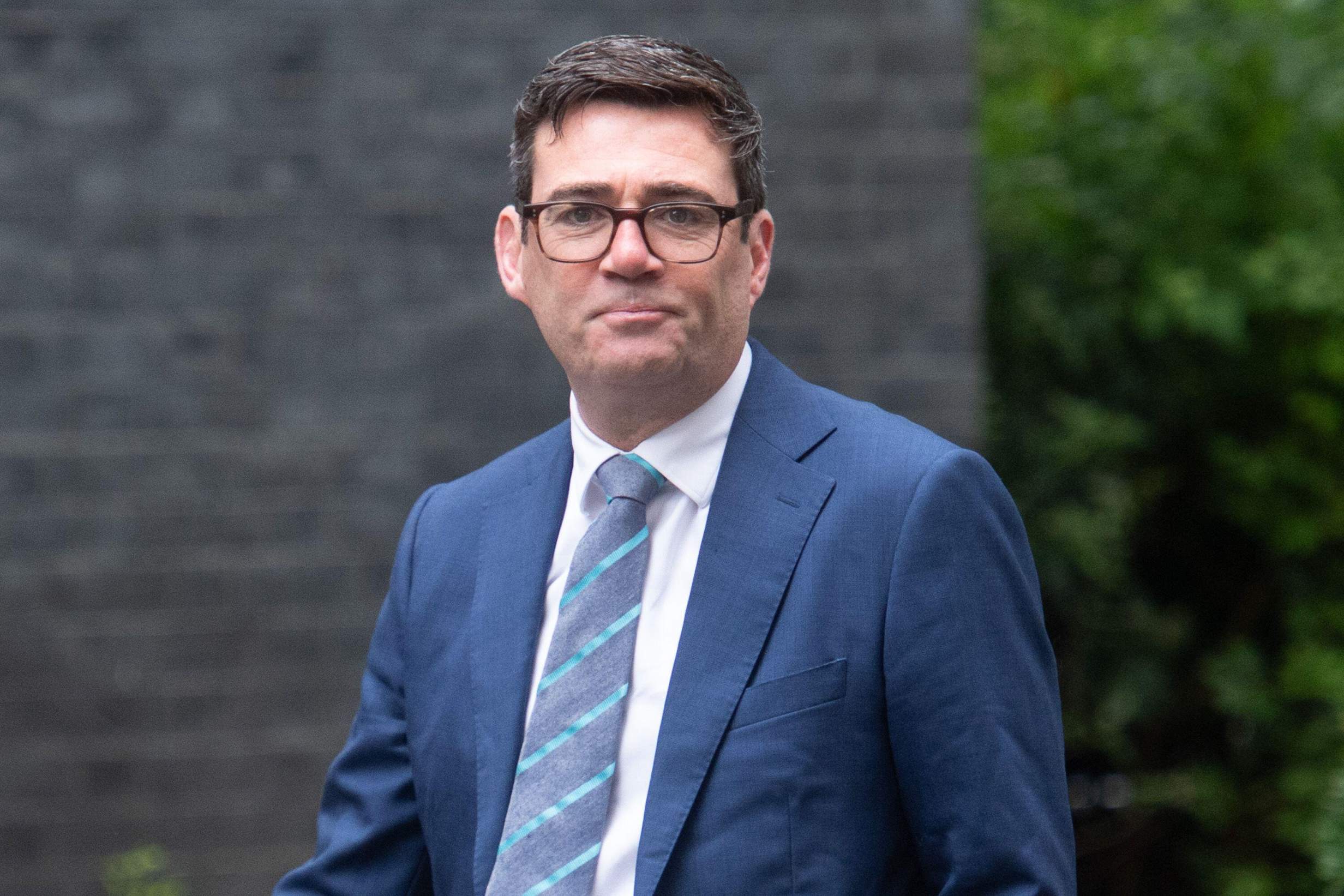
The latest developments in British politics point to a significant transition as Andy Burnham emerges as the dominant figure in the Labour Party following Keir Starmer’s departure. While the change in leadership is attracting immediate attention, the broader political implications extend beyond Labour, affecting the Conservative Party, Reform UK, and the government’s policy agenda.
Burnham’s expected ascent reflects Labour’s attempt to reconnect with voters after a turbulent period. As Mayor of Greater Manchester, he cultivated a reputation as a pragmatic leader with strong regional credentials, and many within the party view him as better positioned to communicate Labour’s priorities to the public. However, his leadership will also bring heightened expectations to deliver economic stability while maintaining Labour’s commitments on public services, regional development, and national security.
One of Burnham’s earliest challenges will be managing the UK’s fiscal position. Debate continues over funding commitments, particularly defence spending, with questions surrounding how future government priorities can be financed without undermining economic credibility. Investors and political observers are closely watching whether Burnham will retain existing fiscal rules or pursue a more expansionary approach to public investment.
For the Conservative Party, the leadership transition presents both risks and opportunities. Kemi Badenoch is seeking to sharpen the Conservatives’ message by portraying Labour as fiscally vulnerable while simultaneously rebuilding confidence within her own party. Recent efforts to strengthen her parliamentary performance suggest the Conservatives are preparing for a prolonged contest rather than relying solely on Labour’s internal adjustments.
The continued rise of Nigel Farage’s Reform UK remains another important factor. Polling trends indicate that Reform continues to challenge both Labour and the Conservatives, particularly among voters dissatisfied with traditional parties. This three-way competition is likely to shape political strategy over the coming months, forcing both major parties to refine their positions on immigration, taxation, public spending, and constitutional reform.
Policy debates are also evolving alongside the leadership transition. Immigration remains politically sensitive despite a notable decline in small-boat crossings, while defence investment, devolution, and public sector funding continue to dominate Westminster discussions. These issues will likely define the political agenda regardless of changes in party leadership.
Ultimately, Burnham’s emergence represents more than a change of personalities. It reflects Labour’s effort to restore political momentum while confronting economic constraints and an increasingly competitive electoral landscape. At the same time, the Conservatives are seeking renewal under Badenoch, and Reform UK continues to exert pressure on Britain’s traditional two-party system. How these competing forces evolve will shape the UK’s political direction in the months ahead.