 11
WASHINGTON: Global oil prices have remained volatile but have not reached the extreme levels initially feared following the outbreak of the U.S.-Israeli conflict with Iran, with China’s large strategic petroleum reserves and reduced crude imports helping ease pressure on international markets, according to an Associated Press report.
Energy analysts had initially warned that oil prices could more than double if the conflict continued for an extended period. Six months into the conflict, however, the most severe projections have not materialized, although prices remain elevated and risks to global energy supplies persist.
China, the world’s second-largest oil consumer and Iran’s leading crude buyer, has been able to draw on strategic reserves accumulated over several years. The U.S. Energy Information Administration estimates that China’s strategic oil stockpile reached about 1.4 billion barrels by the end of 2025.
Following the effective closure of the Strait of Hormuz by Iran, China sharply reduced its crude imports, relying more heavily on its reserves while also benefiting from increased use of electric vehicles and other energy alternatives. According to U.S. data cited by AP, Chinese crude imports averaged about 8.1 million barrels per day in the second quarter, nearly 4 million barrels per day, or 32 percent, below the level recorded during the first three months of the year.
Analysts said the reduction in Chinese demand helped moderate the upward pressure on global oil prices, benefiting markets in the United States, Europe and elsewhere. However, they cautioned that the situation remains fragile as the conflict continues to threaten key energy and shipping routes.
Brent crude, which averaged around $69 per barrel last year, is currently trading near $100 per barrel after briefly reaching $126 in late April. Bank of America analysts have projected an average price of about $83 per barrel for the second half of the year, while warning that prolonged disruption to traffic through the Strait of Hormuz could push prices substantially higher.
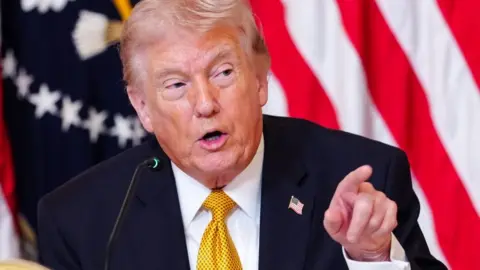
The conflict has also exposed differences between Washington and Beijing over Iran. The Trump administration has urged China to use its economic influence to pressure Tehran to end the conflict and reopen the Strait of Hormuz, while Chinese officials have opposed the U.S. military campaign and objected to additional economic pressure on countries maintaining business ties with Iran.
U.S. President Donald Trump and Chinese President Xi Jinping are expected to discuss the conflict and its economic consequences when Xi visits Washington next week. Their talks are also expected to take place against the backdrop of continued efforts to maintain a fragile U.S.-China trade truce.
Despite China’s ability to draw on its reserves, analysts warned that further escalation could significantly disrupt global energy supplies, particularly if attacks affect major oil infrastructure or maritime routes in the Middle East.