 11

LONDON – The government has abandoned plans that would have sharply reduced the number of jury trials in England and Wales. The proposals would have had many cases heard by a judge sitting alone instead, and had faced strong opposition from lawyers, MPs and campaigners defending a right that dates back centuries.
The reforms were drawn up under former Justice Secretary David Lammy and unveiled in December. They would have removed the right to a jury trial for defendants facing a likely sentence of up to three years in prison, with those cases heard in a new judge-only tier of the Crown Court, the Crown Court Bench Division. Jury trials would have been kept only for the most serious “indictable-only” offences, such as murder and rape, and for “either-way” offences likely to attract longer sentences.
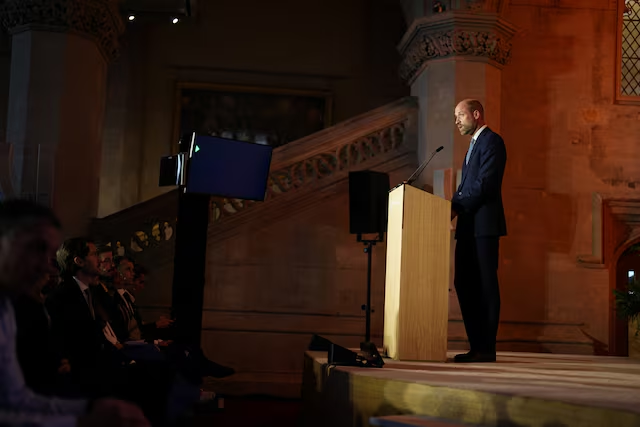
Announcing the reversal on Saturday, Justice Secretary Alex Norris said he remained committed to cutting the court backlog but had changed course after hearing the strength of feeling against expanding judge-alone trials. He argued that dropping the plan would allow the backlog to be reduced faster because it required less structural change to the system.
Under the revised approach, only certain fraud and financial cases will be eligible for trial by a judge without a jury. The Ministry of Justice is keeping other parts of the package. Defendants accused of relatively minor either-way offences will lose the right to choose a Crown Court jury trial over a hearing in the magistrates’ court, and courts will decide where such cases are heard. Ministers say some defendants currently choose a jury trial as a delaying tactic. Magistrates’ maximum sentencing powers will also rise from 12 to 18 months.
The original proposals followed a government-commissioned review by former senior judge Sir Brian Leveson. He recommended withdrawing the right to jury trial from thousands of defendants to prevent the criminal justice system from collapsing under its caseload. Leveson concluded that defendants have no constitutional, common law or European human rights entitlement to a jury trial, and that reforms therefore need not be limited on those grounds.
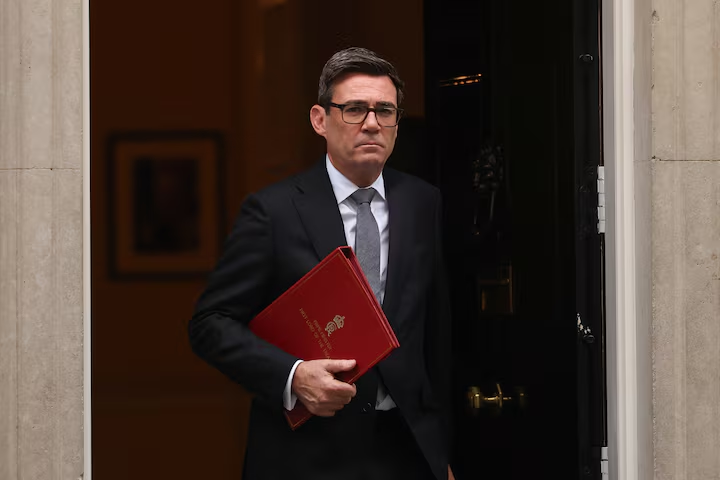
Criminal lawyers welcomed the U-turn, saying jury trials are central to public trust in justice. Labour MP and barrister Karl Turner, who lost the party whip after criticising the plans, said the new Justice Secretary had been right to scrap proposals he described as unworkable. He said Prime Minister Andy Burnham had kept a commitment to drop the new judge-only court. The Conservatives described the reversal as a major victory for those defending the 800-year-old right to trial by jury.
Not everyone welcomed the decision. Victims’ Commissioner for England and Wales Claire Waxman expressed concern that victims were now being asked to trust a plan that ministers had previously argued would not be enough to clear the backlog. Some critics have also warned that removing defendants’ right to choose a jury for many either-way offences could still significantly reduce the number of jury trials, even without the broader judge-only reforms.
The decision marks one of the clearest breaks yet by Burnham’s government from policies pursued under his predecessor, Sir Keir Starmer.