 11

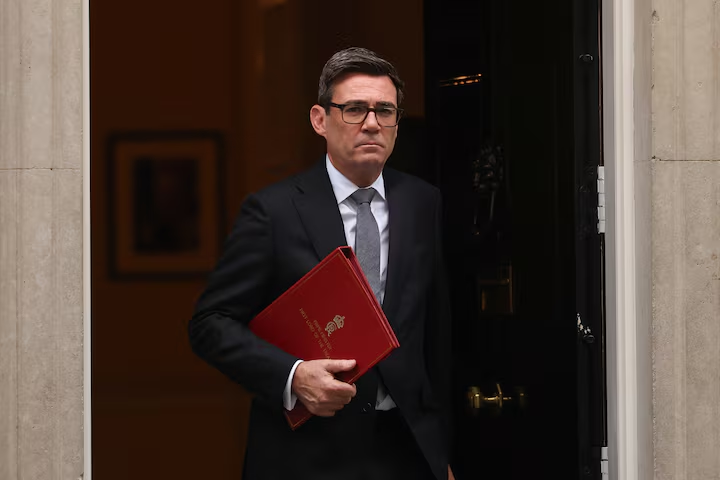
LONDON – British Prime Minister Andy Burnham has instructed officials to discard existing plans for rescuing Thames Water and to return with more radical options for the future of the financially troubled utility, in what is being viewed as an early test of his pledge to bring “the essentials of life” under public control, The Guardian reported on Monday.
According to government sources, the Prime Minister has told his advisers to go back to the drawing board and to examine every possible course of action without feeling bound by earlier approaches, marking a departure from the advice given under his predecessor, Sir Keir Starmer. Officials have reportedly been asked to consider options previously regarded as unworkable, including those that may require public spending or carry the risk of legal challenges. One source said there were more possibilities available than had been assumed so far, some of which had never been properly examined.
When Mr. Burnham took office, he was reportedly presented with two principal choices: agreeing a bailout deal with the American hedge funds that hold the company’s debt, or placing Thames Water into a special administration regime, which would allow the state to take control of the company. Creditors had put forward a £10 billion rescue plan, but former Environment Secretary Emma Reynolds had made clear her opposition to it before Mr. Burnham became Prime Minister.
Among the options now under consideration is converting roughly £100 million in outstanding fines owed by Thames Water into a government stake in the company. Such a move would save creditors money while giving ministers a degree of influence over how the utility is run. Government advisers also believe that reforming the special administration framework could make it easier to bring water companies under state control in the future.
Mr. Burnham has previously said he would nationalise Thames Water, which serves around 16 million people, is running short of cash and recently asked its creditors for an additional £2.4 billion. However, the government has struggled to find a route to public ownership that avoids spending billions of pounds, a protracted court battle, or both.
The Prime Minister has pledged to end what he describes as four decades of neoliberalism and has directed ministers to prepare a 10-year plan for government later this year, including detailed proposals for bringing utilities under public control. Officials indicated, however, that other water companies are likely to be handled differently, through a combination of tougher regulation and greater oversight by elected figures such as mayors, with international investors largely regarding Thames Water as an isolated case rather than a model for the wider sector.
Campaigners, meanwhile, have cautioned that any recapitalisation or debt-for-equity arrangement that stops short of permanently removing the company from private ownership would fail to serve the interests of its workers and customers.