11
11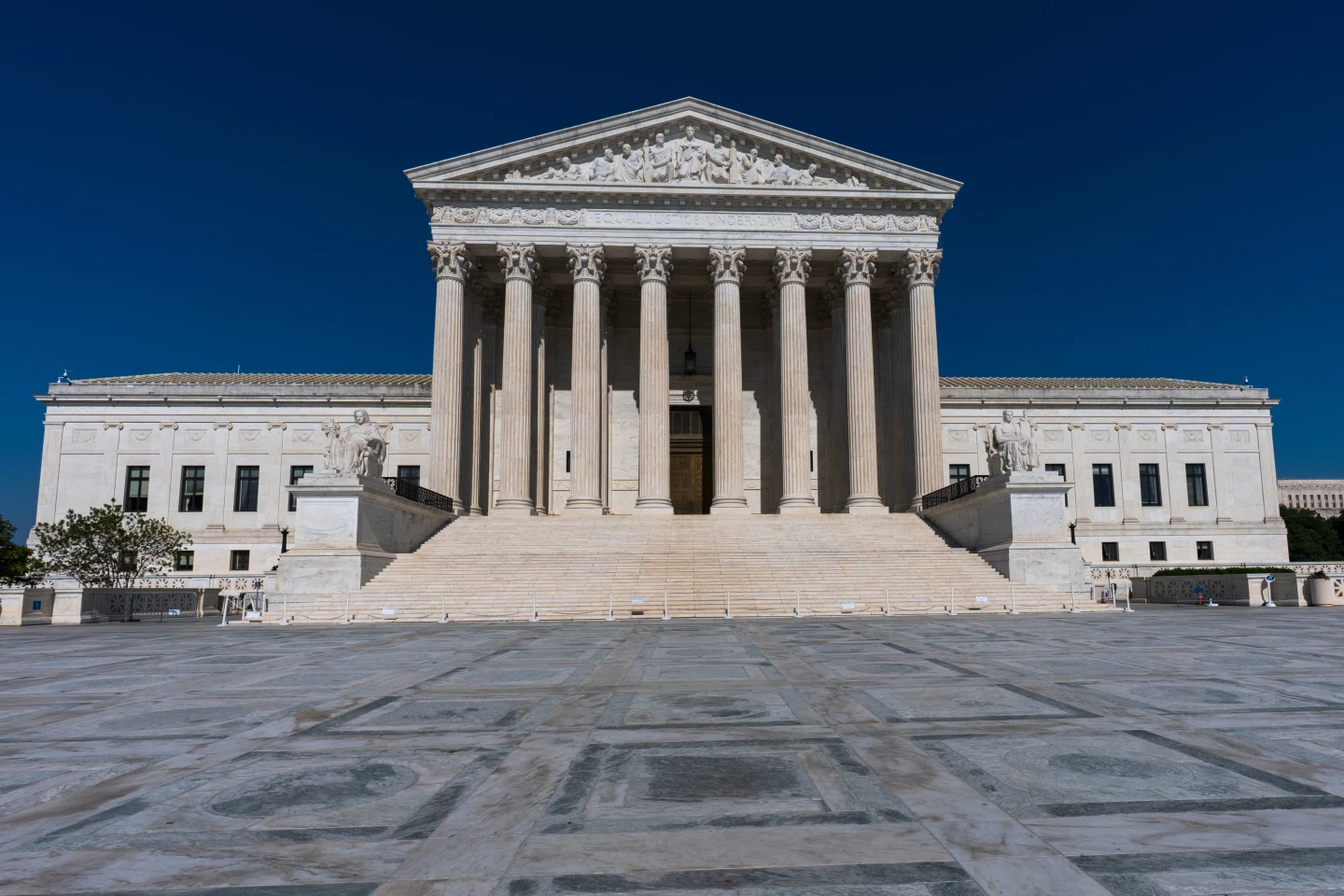
WASHINGTON: Deep ideological divisions within the U.S. Supreme Court came into sharp focus after the justices delivered a closely contested ruling reaffirming birthright citizenship under the Constitution, exposing fundamentally different interpretations of the Fourteenth Amendment among members of the nation’s highest court.
The 5-4 decision held that children born in the United States are citizens regardless of whether their parents are in the country illegally or temporarily, rejecting President Donald Trump’s executive order seeking to restrict automatic citizenship. Chief Justice John Roberts authored the majority opinion, joined by Justices Sonia Sotomayor, Elena Kagan, Amy Coney Barrett and Ketanji Brown Jackson.
Justice Clarence Thomas led the principal dissent, arguing that the Fourteenth Amendment was intended primarily to restore citizenship rights to formerly enslaved people and should not automatically apply to children born to temporary visitors or undocumented immigrants. He maintained that citizenship should require a stronger legal allegiance to the United States than mere birth on American soil.
Justice Ketanji Brown Jackson strongly rejected Thomas’s interpretation, writing that the dissent overlooked the broader purpose of the Reconstruction Amendments, which sought to eliminate systems of legal subordination and guarantee equal citizenship. Her opinion argued that the Constitution’s Citizenship Clause protects all persons born in the United States who are subject to its laws, with only limited exceptions such as children of foreign diplomats.
The ruling preserves the long-standing interpretation of the Fourteenth Amendment and reinforces the precedent established by the Supreme Court’s 1898 decision in United States v. Wong Kim Ark. Legal experts say the decision effectively means any future attempt to end birthright citizenship would require a constitutional amendment rather than executive action or ordinary legislation.