 11
11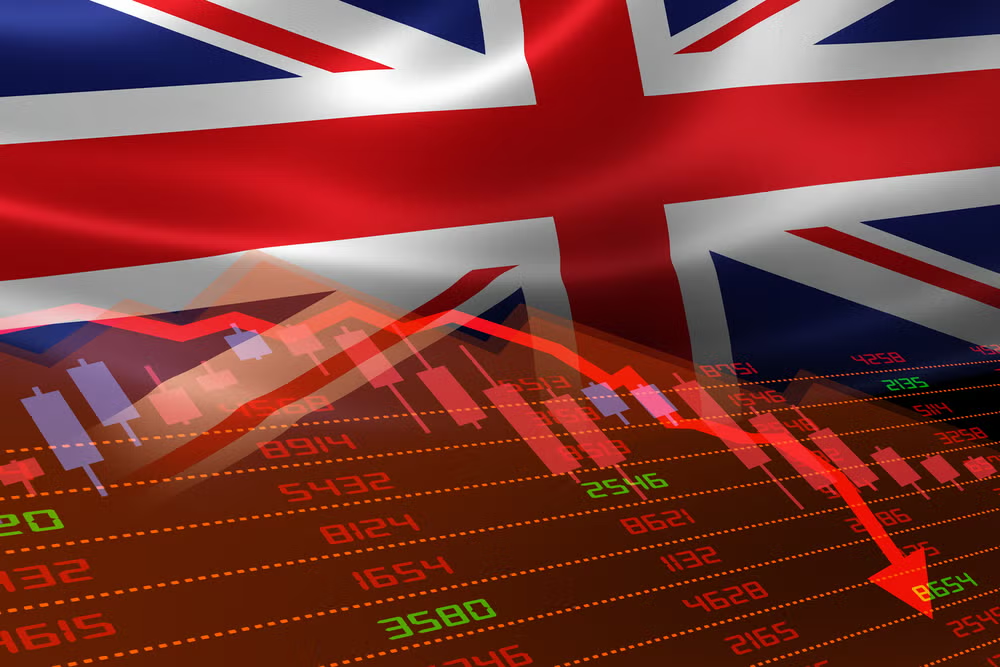
LONDON: A decade after the United Kingdom voted to leave the European Union, Britain’s economy continues to show persistent signs of strain, with weak growth, reduced investment, and higher inflation marking what economists describe as the long-term “economic scars” of Brexit.
According to a Reuters analysis, the UK has experienced some of the weakest per capita GDP growth among G7 economies since the 2016 referendum, with overall performance weighed down by declining productivity, lower business investment, and ongoing trade friction with European markets.
Inflation has emerged as a key pressure point, with prices rising sharply since 2016, partly driven by currency depreciation following the Brexit vote and broader global shocks. Analysts note that the pound remains weaker than pre-referendum levels, contributing to higher import costs and sustained cost-of-living pressures for households.
Financial services—once a cornerstone of Britain’s global economic position—have also lost market share to rival European hubs, while overall investment levels have lagged behind comparable advanced economies such as the United States and France. Business uncertainty linked to regulatory and trade changes has further dampened long-term growth prospects.
At the same time, political instability over the past decade has compounded economic challenges, with frequent leadership changes and shifting policy direction undermining investor confidence. While some sectors, including fintech and artificial intelligence, have shown resilience, broader economic momentum remains subdued.
Despite these challenges, some analysts point to pockets of resilience, including innovation-driven industries and continued strength in parts of the UK labour market. However, most forecasts suggest that the long-term drag from Brexit-related trade barriers and reduced productivity is likely to persist into the coming years.
Economists widely estimate that Brexit has left the UK economy smaller than it would have been inside the EU, with structural impacts expected to continue shaping growth, trade, and investment patterns well into the next decade.