 11
Sanctions relief for Russian diesel, attacks on Zelenskyy and a suspected pause in intelligence warnings have convinced many in Europe that Washington is no longer a neutral broker, let alone an ally. The question now is whether Europe is ready to act on that conclusion.
In the space of a single week in October, the United States eased sanctions on Russia’s diesel exports, called for Ukraine to replace its elected president, announced a ceasefire Kyiv says it was never consulted on, and branded Ukraine’s resumption of strikes on Russian refineries a “disgrace.” Taken one at a time, each step can be explained away. Taken together, they form the pattern at the heart of Jonathan Freedland’s latest Guardian column, which argues that Donald Trump’s tilt toward Moscow should surprise no one, because betrayal is something he has turned into a method.
A week that told the story
The sequence began with fuel. Facing record diesel prices, which have been driven in large part by the fallout of his own conflict with Iran, Trump announced a deal to buy diesel from Russia and loosen sanctions on its exports, reversing years of US policy just ahead of the midterm elections. Ukraine, whose long-range drone campaign against Russian refineries had triggered a serious fuel crisis inside Russia and handed Kyiv rare leverage, was furious. A bipartisan group of US senators called the deal a betrayal.
The next day Trump urged Ukrainians to replace Volodymyr Zelenskyy, accusing him of turning down chances to end the war. On Sunday he declared on Truth Social an immediate “energy ceasefire” between the two countries. Zelenskyy said he learned of it from the announcement itself, and Ukrainian officials reported that Russian strikes on energy sites, including near Kharkiv, continued within hours. By Thursday, Kyiv said it would no longer observe a truce Moscow was ignoring, and Trump responded with open condemnation.
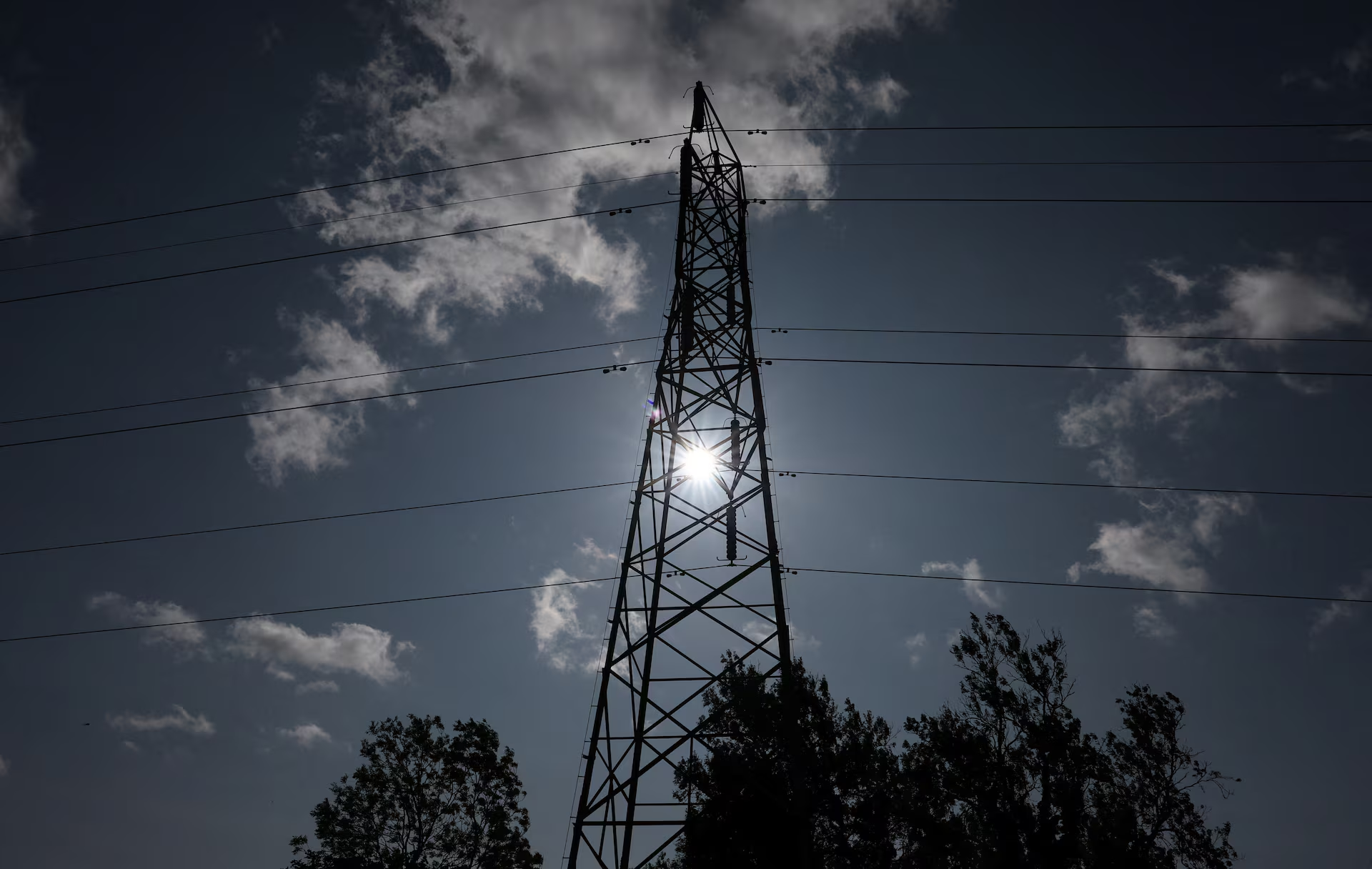
The most serious allegation concerns intelligence. CBS News reported, citing multiple sources, that the US may have deliberately withheld early warnings of Russian strikes that killed six people and cut power to around 600,000 Ukrainians. European and Ukrainian officials also said Washington had threatened to stop sharing intelligence and to block allied purchases of US weapons for Ukraine through the PURL scheme unless Kyiv halted deep strikes on Russian energy infrastructure. The White House has denied restricting intelligence, and US officials say no such request came from the president. But officials in Europe and Kyiv believe the pressure was aimed at forcing Ukrainian concessions at a stalled negotiating table.
Freedland’s charge
Freedland’s argument goes beyond any single decision. In his reading, Trump is telling the world as clearly as he can that he is not the leader of the free world, not even a dependable member of the democratic West, but effectively a partner of its adversaries. The problem, he suggests, is that Western governments, Britain among them, keep refusing to hear the message. His conclusion is stark: the old certainties are gone, and Europe will have to spend whatever it takes to defend itself in a far more dangerous world.
That is the column’s real target. It is less an indictment of Trump, whose transactional instincts toward Moscow have been visible since his first term, than of the European habit of treating each episode as an aberration to be managed until normality returns.
The case the White House would make
Trump’s defenders frame the same week very differently. In their view, a president under pressure from soaring fuel costs is entitled to put American consumers first, and Ukraine’s refinery strikes have real consequences for global energy markets. They argue that pushing both sides toward an energy truce is a step toward the wider ceasefire everyone claims to want, that leverage over Kyiv is a legitimate tool of diplomacy, and that years of open-ended support have not delivered victory. Zelenskyy himself signalled flexibility, offering to hold elections if Russia agreed to a 60-day ceasefire.
Those arguments have some weight, but they struggle with the asymmetry of the pressure. The concessions demanded have fallen almost entirely on the country that was invaded, while the relief, from sanctions to rhetoric, has flowed toward the invader. A ceasefire one party does not know about and the other does not observe is not diplomacy so much as theatre.
What it means for Europe and beyond
For Europe, the implications are immediate. If American intelligence and weapons pipelines can be switched on and off as instruments of pressure on Kyiv, then European security guarantees that rest on US capabilities are only as firm as the mood in the Oval Office. That reality strengthens the case for faster European defence integration, larger budgets, independent intelligence capacity and joint procurement, all of which governments have discussed for years and delivered only slowly.
The lesson extends further. Countries in the Gulf, Central Asia and South Asia that have long balanced their ties between Washington and Moscow will read this week as confirmation that American commitments are increasingly conditional and personal rather than institutional. That shift will encourage hedging everywhere, and it will reward capitals that build diversified partnerships over those that rely on a single patron.
Conclusion
Whether one accepts Freedland’s harsher language or not, his central point is difficult to dismiss. The question for Western leaders is no longer what Trump intends, since his actions speak with unusual clarity. It is whether they are prepared to accept what those actions mean and pay the price of self-reliance before events impose it on them. Ukraine is paying the cost of that hesitation now. Europe may be next.