 11
11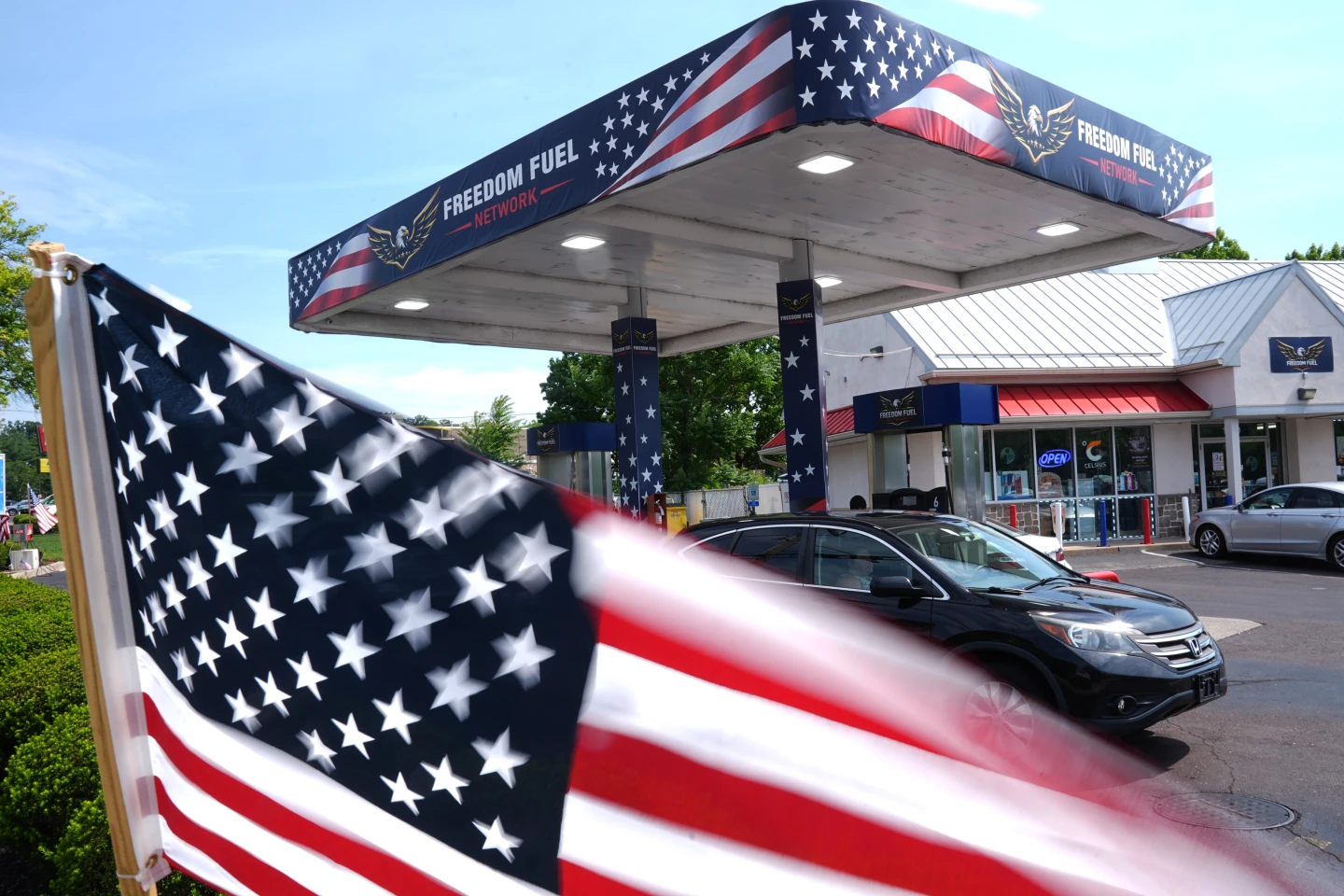
The emergence of the Freedom Fuel Network, a chain of gas stations offering gasoline at $3.47 per gallon and publicly endorsed by U.S. President Donald Trump, represents more than a business venture. It illustrates how energy prices have become a powerful political symbol in the United States, particularly during a period of geopolitical instability and rising fuel costs.
Fuel prices have long influenced American politics because they directly affect household budgets and voter perceptions of economic performance. By promoting gasoline priced at $3.47—a figure chosen to reference Trump as the 47th president—the Freedom Fuel initiative seeks to reinforce the administration’s message that it is committed to lowering the cost of living.
The White House’s public endorsement transformed what might have remained a regional marketing campaign into a national political story, linking affordable fuel directly with the administration’s broader economic narrative.
The initiative has also raised important questions about transparency and corporate governance.
Investigations into the Freedom Fuel Network found that the venture is linked to a diverse group of individuals, including an NFL special teams coach, a Republican fundraiser and New Jersey businessmen who have faced previous civil legal disputes involving fuel-related business practices. Although the White House has stated that it has no ownership stake or financial involvement in the company, it acknowledged discussions with those behind the project before the network’s public launch.
These connections have prompted scrutiny over how private commercial ventures intersect with political messaging and presidential endorsements.
Industry analysts question whether selling gasoline significantly below prevailing market prices is commercially sustainable.
Fuel retailers typically operate on very narrow profit margins, and experts believe that Freedom Fuel’s promotional pricing is likely generating losses or relying on other revenue sources to attract customers. While such pricing strategies can succeed as short-term promotional campaigns, maintaining them over an extended period would become increasingly difficult unless wholesale fuel costs decline substantially.
Indeed, reports indicate that prices at several Freedom Fuel locations have already begun rising from the initial promotional level, suggesting that market realities are beginning to outweigh political symbolism.
The timing of the initiative is particularly significant.
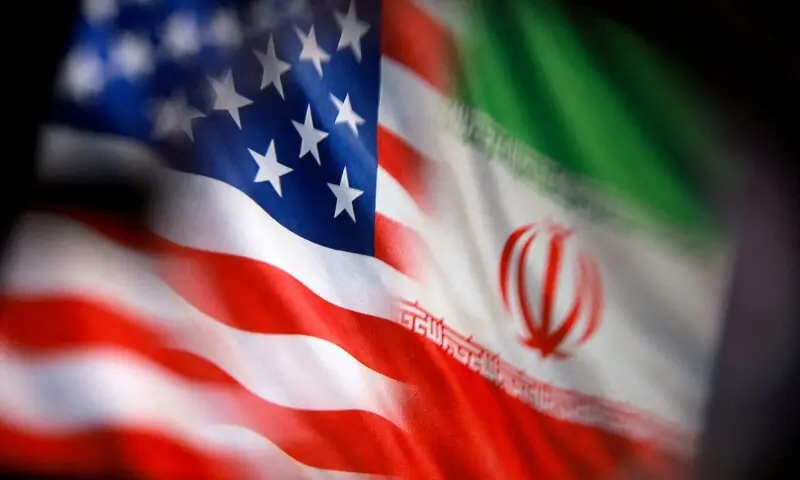
Renewed military tensions involving the United States and Iran have pushed global oil prices higher, contributing to a rise in the U.S. national average gasoline price to around $4 per gallon. Because crude oil prices are determined in global markets, no single retailer—or government—can permanently shield consumers from international supply disruptions.
This highlights a broader economic reality: domestic political initiatives may temporarily ease consumer costs in selected markets, but long-term fuel affordability depends largely on global energy production, transportation routes and geopolitical stability.
For the Trump administration, the Freedom Fuel Network provides a visible demonstration of its commitment to reducing energy costs and supporting consumers. Such symbolism can resonate with voters, particularly in suburban and rural communities where driving is essential and fuel expenditures form a significant part of household budgets.
However, the political benefits come with corresponding risks. If questions surrounding the network’s ownership, finances or legal history continue to emerge, the initiative could shift from being viewed as an economic success story to becoming a source of political controversy.
The Freedom Fuel Network also reflects a broader trend in American politics, where commercial brands increasingly become vehicles for political identity.
Rather than relying solely on traditional policy announcements, modern political campaigns often incorporate branded products, targeted marketing and social media promotion to reinforce their message. In this case, inexpensive gasoline serves both as a consumer product and as a symbol of a broader political promise.
The Freedom Fuel story demonstrates how economic issues, political branding and private enterprise are becoming increasingly interconnected. Whether the network expands successfully or remains a short-lived promotional campaign, it has already achieved one objective: placing energy affordability at the center of the political conversation.
Ultimately, the initiative’s long-term significance will depend less on the promotional price displayed at the pump and more on whether broader economic conditions allow fuel prices to remain affordable nationwide. If global oil markets remain volatile, sustained low gasoline prices will be determined far more by international energy dynamics than by individual commercial ventures or political endorsements.