 11
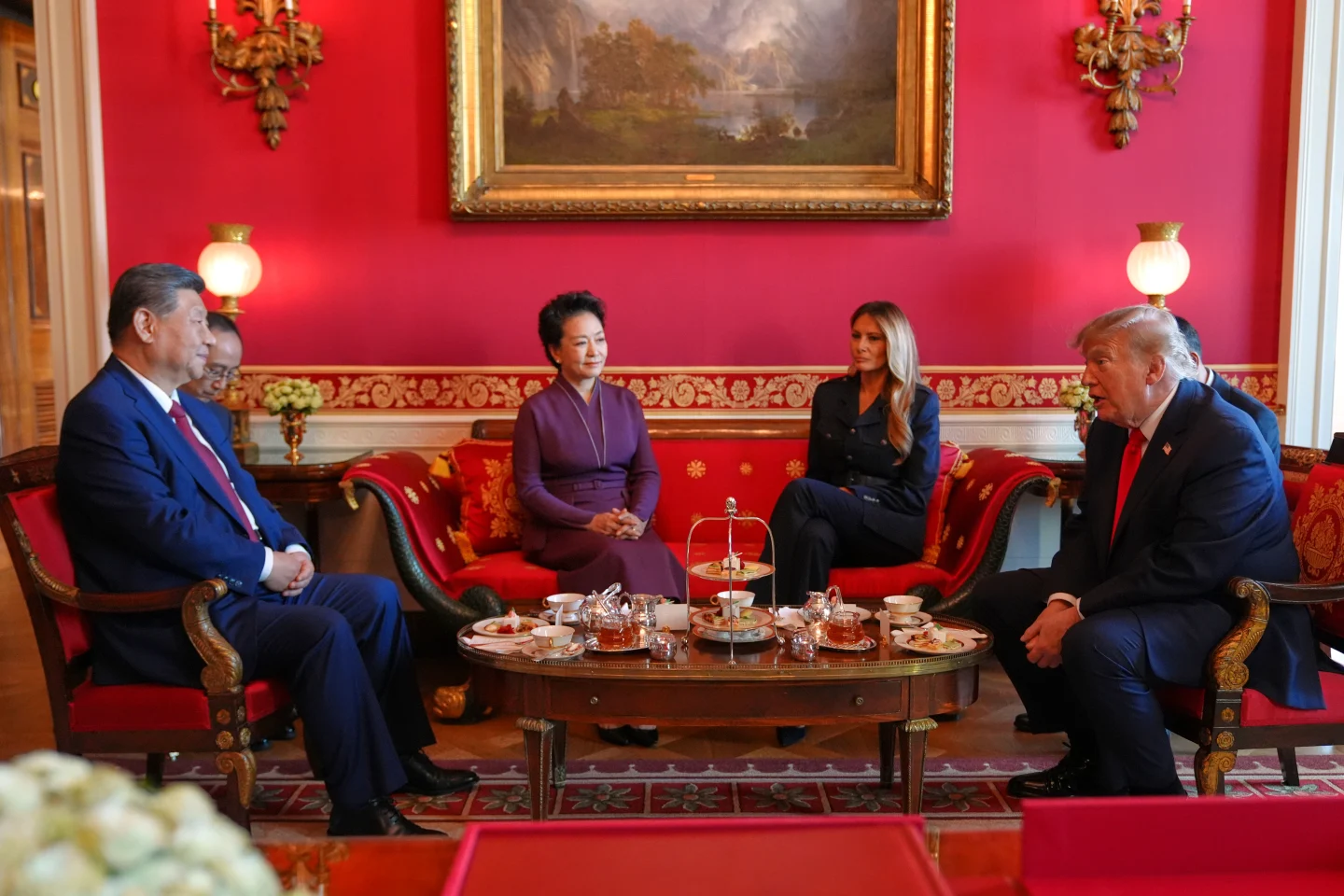
WASHINGTON: US President Donald Trump asked Chinese President Xi Jinping whether China would be interested in purchasing American weapons, US Ambassador to China David Perdue said, describing the exchange during Trump’s recent meetings with the Chinese leader.
Perdue disclosed the remarks in a television interview following Xi’s state visit to Washington, where the two presidents held talks on a range of bilateral and international issues. He did not specify when the discussion about potential US arms sales to China took place.
The ambassador said Trump had sought to frame US weapons sales to Taiwan as part of Washington’s broader arms trade with countries around the world. Perdue also said Trump continued to discuss potential future weapons sales to Taiwan with Xi.
The United States is Taiwan’s principal source of foreign arms, while Beijing has repeatedly called on Washington to halt such sales. US law requires Washington to make available to Taiwan the means necessary to maintain its self-defence capabilities, although the United States does not maintain formal diplomatic relations with Taipei.
The issue has remained a sensitive point in US-China relations. Following an earlier meeting between Trump and Xi in May, Washington paused a $14 billion arms package for Taiwan, while Trump described weapons sales to the island as a negotiating issue in dealings with Beijing.
Chinese Foreign Ministry spokesperson Guo Jiakun did not confirm Perdue’s account when asked about the reported exchange on Monday. He said China has consistently strengthened its national defence capabilities according to its needs and remains committed to maintaining world peace and stability.
The reported remarks come as Washington and Beijing continue to manage disagreements over Taiwan, trade and other strategic issues following Xi’s recent visit to the United States. The question of US arms sales to Taiwan remains among the most sensitive issues in the bilateral relationship.