 11
11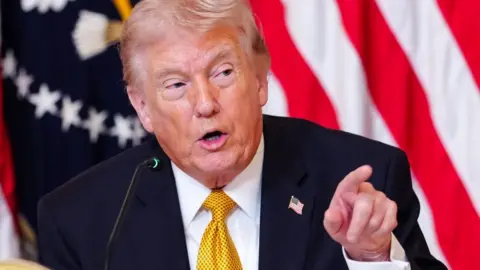
U.S. President Donald Trump’s appearance at the rescheduled White House Correspondents’ Dinner marked a significant political moment, ending years of absence from an event that has long symbolized the often-contentious yet essential relationship between the White House and the news media. However, rather than signaling a lasting thaw, the evening underscored the deep divisions that continue to define the interaction between the administration and the press.
Trump’s speech blended humor with familiar attacks on political rivals and media organizations. While he occasionally praised journalists for their work, the address quickly shifted to criticism, personal jabs, and renewed claims regarding the 2020 election. The contrast reflected a broader pattern of engagement: public acknowledgment of the media’s role alongside persistent efforts to challenge its credibility.
The event itself carried added significance because it had been postponed following a shooting incident at the original venue earlier in the year. The decision to proceed under heightened security at a new location demonstrated both the resilience of democratic institutions and the growing security challenges surrounding American political life. Honoring the Secret Service personnel injured during the earlier attack also shifted part of the evening’s focus from politics to public service and institutional continuity.
For the White House Correspondents’ Association, the dinner represented more than a ceremonial gathering. It served as an affirmation of press freedom at a time when relations between the administration and many news organizations remain strained. The recognition of journalists whose reporting has often been critical of the president highlighted the independent role of the press, even amid political polarization.
Politically, Trump’s decision to attend may reflect a pragmatic recognition of the value of engaging with traditional media while continuing to cultivate direct communication through social media and alternative platforms. His willingness to participate in a longstanding Washington tradition, despite years of criticism of the event, suggests an effort to project confidence while maintaining his populist political identity.
Ultimately, the 2026 White House Correspondents’ Dinner illustrated that the relationship between the presidency and the press remains defined by mutual dependence rather than mutual trust. Presidents rely on the media to communicate with the public, while journalists depend on access to government to fulfill their watchdog role. As political polarization deepens, maintaining this institutional relationship—even amid open disagreement—remains essential to democratic accountability and public confidence in governance.