 11

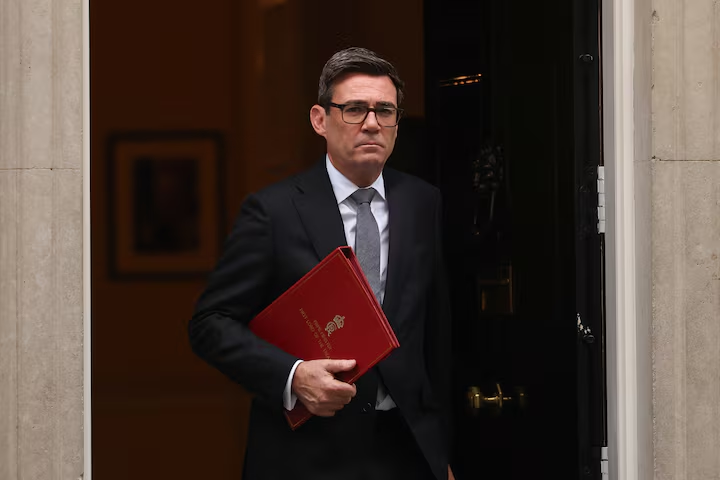
LONDON: Shares in Britain’s major banks fell on Friday after a newspaper report said finance minister John Healey was preparing to raise taxes on the banking sector in his October 28 budget as he seeks to keep the government’s deficit reduction plans on track.
Barclays, Lloyds and NatWest were down between 0.2 per cent and 1.8 per cent in early trading, underperforming euro zone banks, which rose 0.9 per cent.
The Guardian reported that Healey was set to target the banks in the budget, with one option under consideration being the reversal of a cut made by former Conservative chancellor Jeremy Hunt, who reduced the surcharge banks pay on their profits from 8 per cent to 3 per cent. Banks currently pay the surcharge on top of the standard 25 per cent corporation tax rate. Analysts have said raising the surcharge is among the options open to the Chancellor.
The government is under pressure to find additional revenue after a sharp rise in borrowing costs in recent weeks, which analysts say could cut in half the £24 billion buffer against the fiscal rules built up by Healey’s predecessor, Rachel Reeves, in March. Market analysts noted that the reports sit uneasily with Healey’s recent description of the banks as a jewel in the crown of the British economy.
Trade unions and think tanks have stepped up calls for heavier taxation of the sector. The Trades Union Congress urged the Chancellor to go further and raise the surcharge to 16 per cent, which it estimated could bring in £24 billion over four years, pointing out that the four largest banks were earning around £1 billion a week. The Institute for Public Policy Research this week proposed a temporary surcharge on banks’ windfall profits as part of a wider package to support struggling households.
The banking industry warned against the move, arguing that UK banks already face a higher overall tax burden than rivals in other leading financial centres, and that further increases would undermine competitiveness, deter investment and job creation, and run counter to the government’s growth agenda.