 11
11
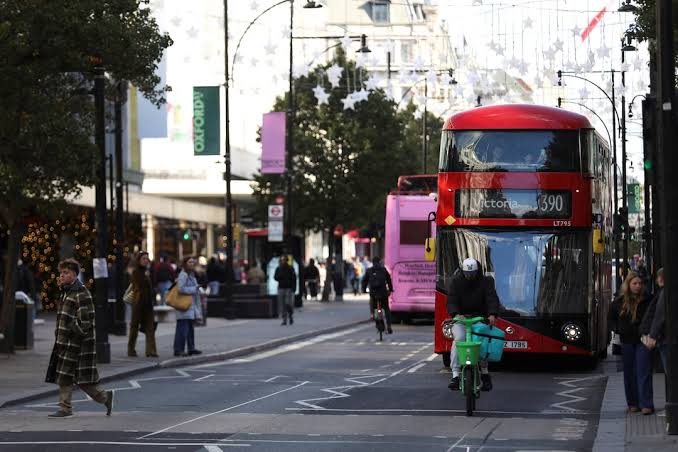
LONDON: The UK government has announced plans to remove time restrictions on free bus travel for disabled people in England, allowing eligible pass holders to travel free of charge around the clock from April 2027.
Under the new measure, disabled people with concessionary bus passes will be able to use local bus services at any time of day or night. Currently, passes are generally valid between 9:30 a.m. and 11 p.m. on weekdays, although some local authorities have extended the hours through additional funding.
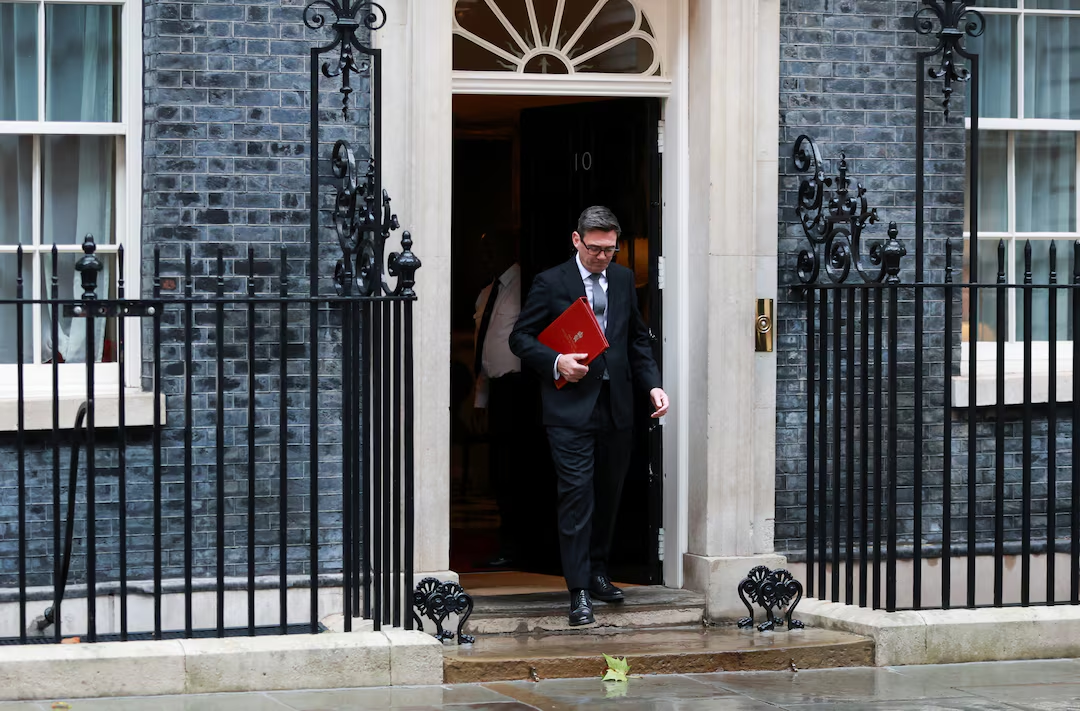
Prime Minister Andy Burnham said the existing restrictions were unfair because disabled people may need to travel early in the morning or late in the evening for employment, education, healthcare and other essential activities. The government said the reform would help remove barriers to independence while easing financial pressures on disabled households.
The government has allocated £60 million from existing departmental budgets to support the policy, with £40 million coming from the Department for Work and Pensions and £20 million from the Department for Transport. The measure is expected to require parliamentary approval before taking effect on April 1, 2027.
The policy has been welcomed by disability organisations and campaigners, who said that disabled people do not live according to conventional off-peak travel hours. Supporters argued that nationwide 24-hour access would help people reach workplaces, educational institutions and medical services while reducing isolation and unnecessary reliance on private vehicles.
The announcement forms part of the government’s broader cost-of-living programme, which includes maintaining a £2 cap on bus fares through 2027 and expanding free bus travel for younger passengers. Burnham has also faced political pressure over how his government intends to finance its growing list of cost-of-living measures.
Conservative critics have questioned the funding arrangements, arguing that the £60 million allocation represents a redistribution of existing departmental budgets rather than new spending. The government, however, maintains that the reform will provide a consistent national entitlement and eliminate differences in support between local authorities.
The move represents a significant expansion of concessionary travel rights for disabled people in England and is intended to improve access to essential services, employment and community life while reducing the financial burden of transport.