 11
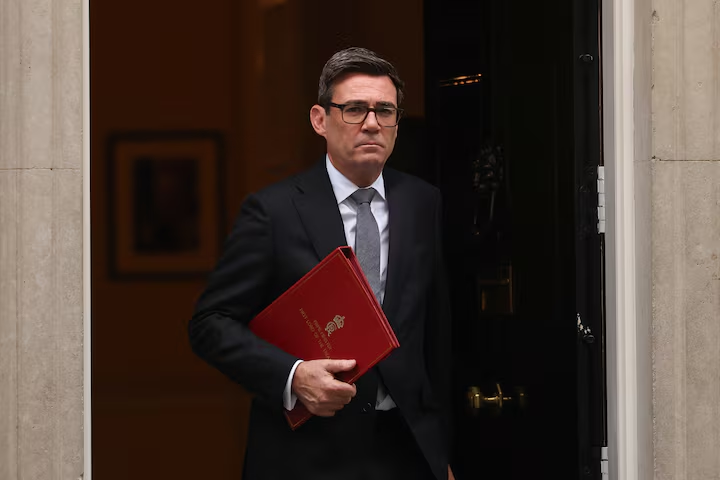
London: The UK economy unexpectedly continued to grow in August despite a fall in consumer spending, providing a boost to Chancellor John Healey less than a fortnight before his first budget.
Figures released by the Office for National Statistics (ONS) showed that gross domestic product (GDP) rose by 0.1% in August, following growth of 0.4% in July. The reading defied forecasts by City economists, who had expected a contraction of 0.1%.
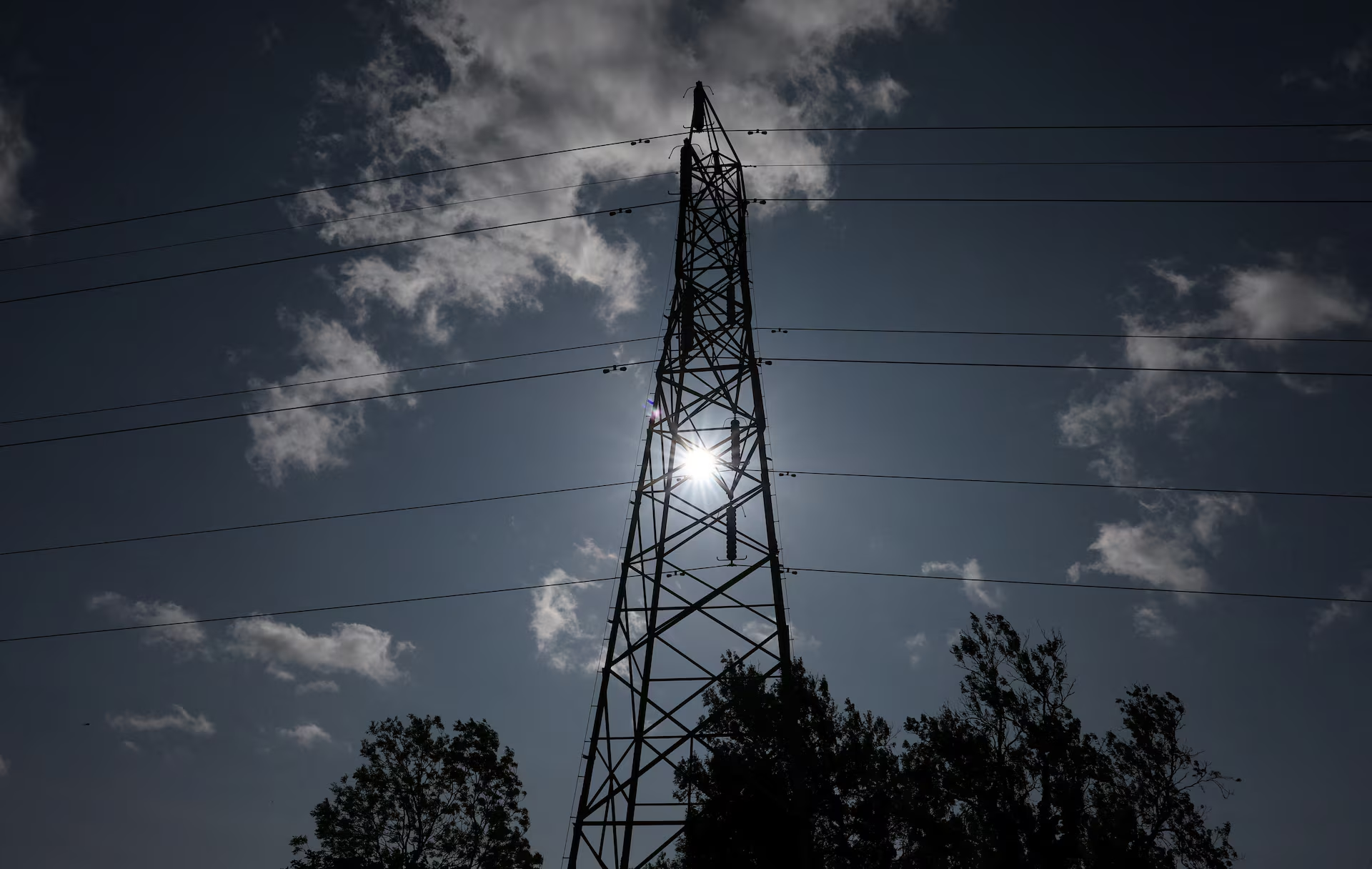
The figures represent a welcome surprise for the government at a time when the conflict in the Middle East is unsettling the global economy and burdening British households and businesses with a sharp rise in energy costs.
With petrol and diesel prices rising last month and higher energy bills squeezing household budgets, the ONS said output in consumer-facing services fell by 0.3% on the month, after a 0.1% decline in July. While the services sector as a whole recorded no growth in August, the headline improvement was driven by strength in manufacturing, with the wider production sector, which includes manufacturing, mining and energy generation, expanding by 0.8%. Construction output fell by 0.2%.
The largest drag on growth came from sports, amusement and recreation activities, along with a slump in food and drink services. Analysts said the decline could signal a reversal of an earlier boost from the World Cup and unusually hot weather, or could reflect households cutting back on spending.
Over the three months to the end of August, GDP grew by 0.7%, the ONS said. On an annual basis, the economy expanded by 2.1%, its strongest rate of growth since August 2022.
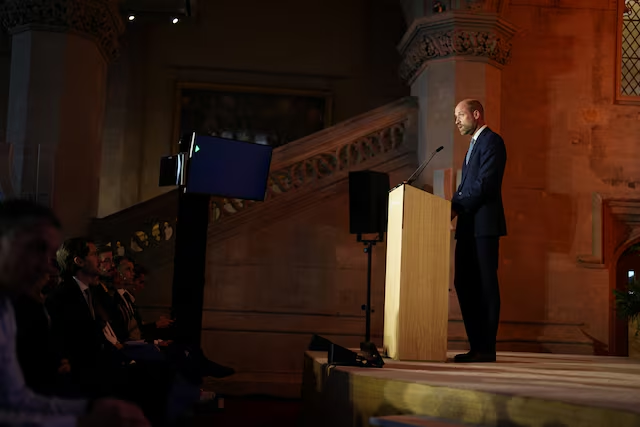
Speaking from Bangkok, where he is attending the annual meetings of the International Monetary Fund (IMF) and World Bank, Healey welcomed the figures. “Despite conflicts in the Middle East and Europe hitting people across the world, today’s figures offer more proof of Britain’s resilience in the face of these global shocks,” he said.
“This week the IMF have upgraded UK growth for 2026 and said that our fiscal discipline stands out with the lowest deficit in the G7 forecast by 2029 … my budget will build on this approach to drive good growth in every postcode,” he added.
Sanjay Raja, Chief UK Economist at Deutsche Bank, said challenges remained ahead. “Undoubtedly, there may be some hiccups to come in the runup to year-end, especially as energy prices continue to bite household incomes, and higher rates continue to drag on spending and investment,” he said. “The good news? The UK’s resilience story continues. It’s hard to overstate how strong the UK performance has been all year.”
Against this volatile backdrop, the Chancellor is under pressure to use his budget statement to the House of Commons on 28 October to unveil a package of support for households, including assistance with rising energy bills. However, he faces a delicate balancing act amid a sharp increase in government borrowing costs.
In recent months, the British economy has proved more resilient than expected at the outset of the Iran war, recording the strongest rate of growth in the G7 during the first half of 2026. Official figures pointed to a strong expansion in AI-related business activity as one of the factors behind the unexpected rise.