 11
11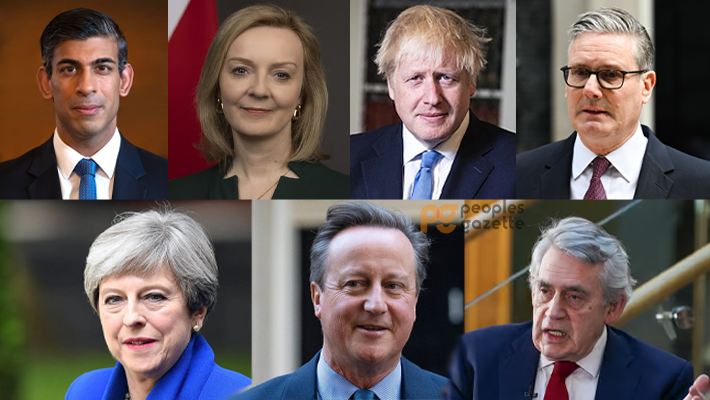
My analysis argues that Britain’s recurring cycle of prime ministerial turnover is not simply a political coincidence, but a visible symptom of a deeper national dysfunction. The resignation of Keir Starmer after less than two years in office—making him the sixth UK leader to step down in a decade—underscores what observers describe as a prolonged period of institutional and economic strain rather than isolated leadership failures.
The article places Britain’s current turbulence in historical context, noting that the post-Brexit era has been marked by unusually rapid leadership change, resembling a “merry-go-round” of prime ministers. This instability has weakened policy continuity and reduced governments’ ability to implement long-term reforms, especially in areas such as taxation, pensions, and infrastructure.
Analysts cited in the report argue that modern British governments are increasingly consumed by political survival rather than governance, with ministers frequently reshuffled and leadership challenges emerging before reforms can mature. The result is a system where no administration remains in place long enough to fully address structural problems.
The analysis links political instability to broader economic stagnation. Britain’s challenges are traced back to the aftermath of the 2008 financial crisis, followed by austerity policies, Brexit disruptions, the COVID-19 pandemic, and global shocks from the Ukraine war. These compounding factors have contributed to sluggish growth, high public debt, and weak productivity.
Investor confidence, while not collapsing, is described as fragile. Markets have remained relatively stable, but this stability is attributed more to expectations of leadership change than to underlying economic strength.
A key theme in the piece is the debate over whether Britain’s problems stem from poor leadership or deeper institutional weaknesses. Some analysts argue that repeated changes in prime minister reflect a political system unable to produce stable mandates or coherent long-term strategy.
Others go further, suggesting Britain is experiencing a structural governance crisis similar to historical periods of instability in other European states. The lack of consistent economic direction, combined with growing social discontent, has created what some describe as a “low-trust, low-growth equilibrium.”
Brexit is repeatedly identified as a turning point that intensified political fragmentation. Since 2016, disagreements over Britain’s economic model, relationship with Europe, and immigration policy have fuelled divisions across parties and within governments. The result has been a political environment in which compromise is difficult and leadership authority is frequently contested.
Public dissatisfaction, reflected in declining trust in institutions and political elites, further exacerbates instability. Each new leader inherits unresolved crises, from strained public services to fiscal constraints, without sufficient time to implement durable solutions.
The analysis is cautious about easy answers. It suggests that simply changing leaders is unlikely to resolve Britain’s underlying issues. Instead, it points toward the need for more durable governance structures, clearer long-term policy frameworks, and a political culture less focused on short-term leadership contests.
Ultimately, the piece leaves the question open: Britain’s challenge is not just finding the right prime minister, but rebuilding the stability and coherence required for any leader to succeed.