 11
11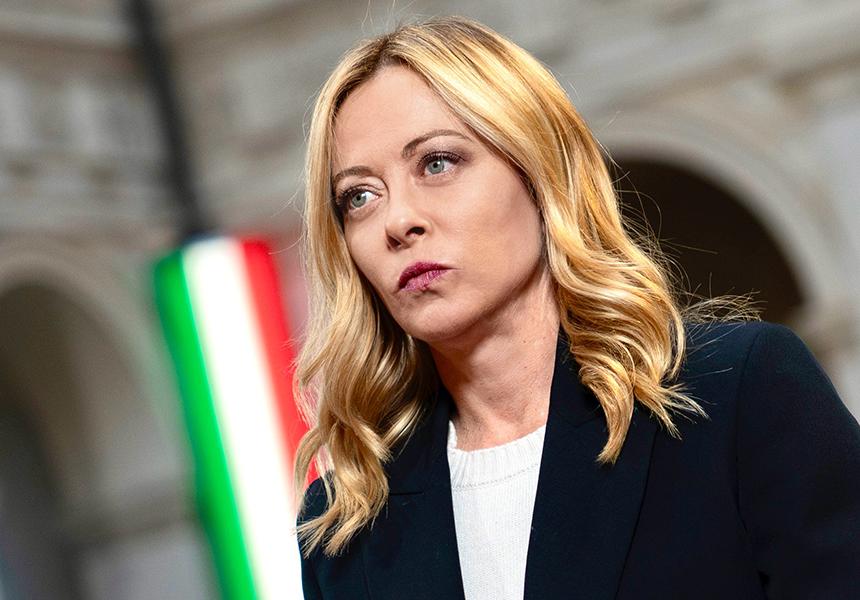
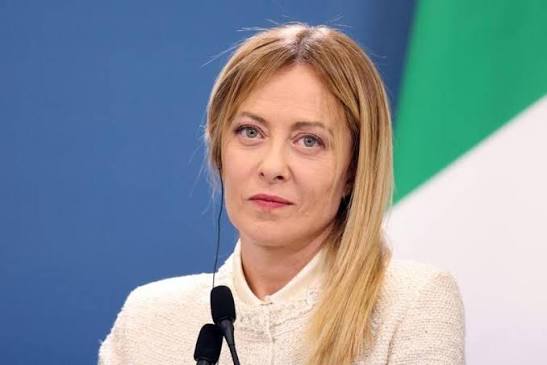
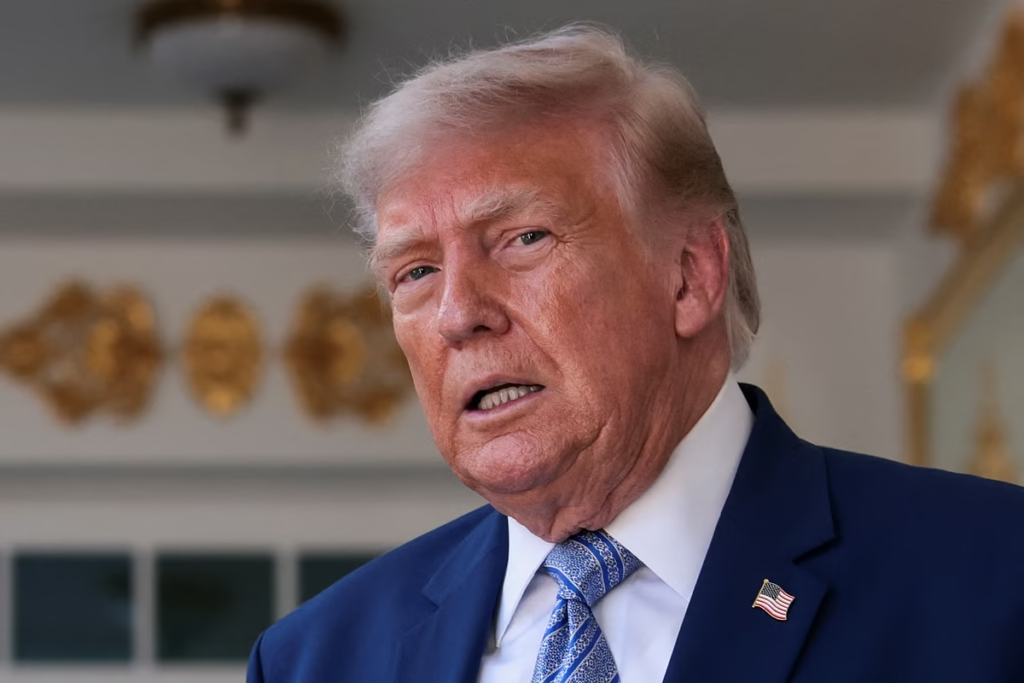
Italian Prime Minister Giorgia Meloni’s sharp rejection of U.S. President Donald Trump’s claim that she had “begged” for a photograph with him at the G7 Summit marks more than a personal dispute. It reflects an evolving political strategy aimed at protecting Italy’s national image, redefining conservative leadership in Europe, and preparing for future electoral challenges.
For much of her premiership, Meloni cultivated cordial ties with Trump and was often regarded as one of his closest ideological allies in Europe. However, Trump’s public assertion that Meloni sought his approval to improve her domestic popularity crossed a political red line. By dismissing the claim as fabricated and emphasizing Italy’s national dignity, Meloni transformed what could have been a diplomatic embarrassment into an assertion of sovereign leadership.
The dispute also reflects changing political realities within Europe. Although Meloni leads a conservative government, Trump’s popularity in Italy remains limited, and overt association with him risks alienating moderate voters. By distancing herself from Trump, Meloni can reinforce her image as an independent leader who prioritizes Italian interests over personal political alliances. This positioning could prove advantageous as Italy moves toward the expected 2027 general elections.
Another significant dimension is Meloni’s effort to reshape the European conservative movement. Rather than following Trump’s political agenda unconditionally, she appears to be positioning herself as a distinct European nationalist leader capable of balancing conservative values with pragmatic governance. Her engagement with other European right-wing figures suggests an ambition to lead a broader conservative bloc that is less dependent on American political dynamics.
The diplomatic consequences are equally notable. Italy’s Foreign Minister reportedly reinforced Meloni’s position by canceling a planned U.S.-Italy business forum appearance in Florida, signaling that Rome was prepared to demonstrate institutional support for its prime minister rather than treating Trump’s remarks as routine political rhetoric. Such moves indicate growing sensitivity within European governments toward public criticism from Washington, even when directed by ideological partners.
Domestically, Meloni still confronts substantial challenges, including declining approval ratings, setbacks to judicial reform proposals, and increasing competition from rivals on the nationalist right. Yet political confrontation with Trump may help shift public attention from these internal pressures while reinforcing her credentials as a leader unwilling to compromise Italy’s dignity for political convenience.
The episode also illustrates the increasingly transactional nature of transatlantic conservative politics. Shared ideological positions no longer guarantee political solidarity when national interests and electoral calculations diverge. European conservative leaders are demonstrating greater willingness to chart independent courses, even at the expense of relationships with influential American counterparts.
Meloni’s response represents a calculated political recalibration rather than an emotional reaction. By confronting Trump publicly, she seeks to strengthen her domestic legitimacy, expand her influence within European conservative politics, and demonstrate that Italy’s foreign policy will not be shaped by personal political loyalties. Whether this strategy succeeds will depend on her ability to convert symbolic assertions of national dignity into sustained political support at home while maintaining constructive relations with Washington.