 11

London: Yields on British 30-year government bonds rose to their highest level in 28 years on Wednesday as a broad global bond selloff drove equivalent United States borrowing costs to levels not seen since 2002, intensifying pressure on finance minister John Healey ahead of his first budget, due in three weeks.
Yields on 30-year gilts, once a major component of UK debt issuance, rose by 13 basis points during the day to peak at 6.036 percent at 1341 GMT. This marked their highest level since January 1998 and surpassed a previous record set on October 1. The 30-year yield was on track for its largest single-day increase since mid-August, while 20-year gilt yields came close to reaching a similar record.
Ten-year gilt yields, which are considered more representative of the cost of new government borrowing, rose by 10 basis points to 5.48 percent, just short of their highest level since 2007. By comparison, 30-year US Treasury yields increased by 7 basis points and 10-year Treasury yields by 6 basis points. Market analysts noted that the selloff in gilts, whose prices move inversely to yields, was somewhat sharper than in US Treasuries, a pattern typical during periods of significant market movement.
Concerns over inflation and high levels of government borrowing continue to weigh on bond investors worldwide. These concerns were heightened on Wednesday as oil prices, driven by the ongoing US-Israeli war with Iran, rose further above USD 100 per barrel.
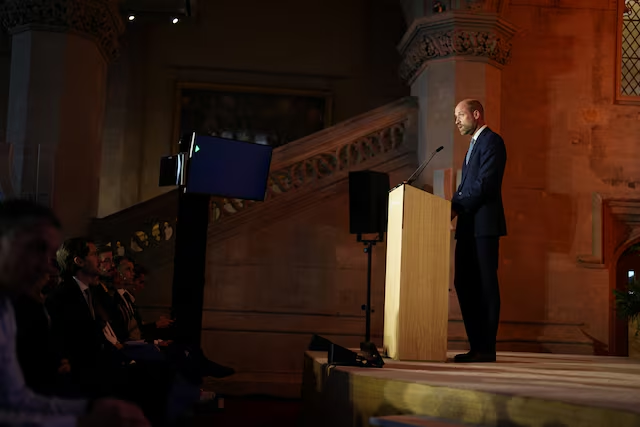
The market move came a day after Mr. Healey met economists from the primary dealers in the gilt market, known as gilt-edged market makers, to assess investor sentiment ahead of the budget scheduled for October 28. In a statement, Britain’s finance ministry said the minister had emphasised the importance of fiscal credibility in a challenging global economic environment and reaffirmed the government’s commitment to its fiscal rules and its focus on economic stability, growth and jobs.
Economists at Bank of America forecast on Tuesday that the forthcoming budget would increase public borrowing by approximately £15 billion in both the current financial year and 2027/28, while leaving the government less room to meet its longer-term fiscal targets.