 11
11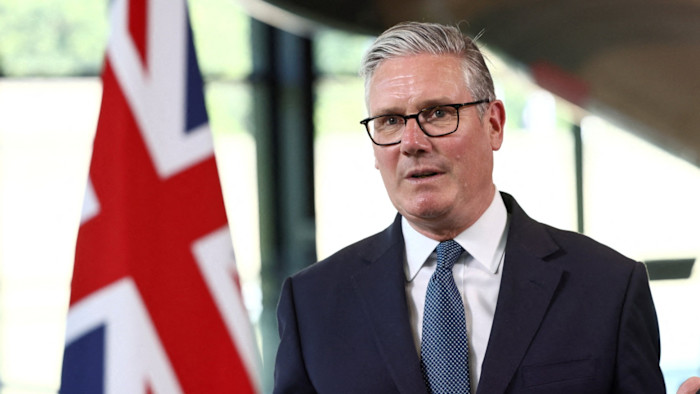
London: British Prime Minister Keir Starmer is expected to outline plans aimed at strengthening online safety for children, including potential restrictions on access to harmful social media platforms for users under the age of 16.
According to reports, Starmer has decided to move forward with proposals that would limit children’s exposure to harmful online content while continuing to allow access to safer forms of social media. The move follows consultations with bereaved parents and a review of international measures, including Australia’s decision to introduce a social media ban for under-16s last December.
A source at Downing Street said the prime minister is prepared to challenge major technology companies in order to better protect young people online. However, sources familiar with the matter indicated that a formal ban is unlikely to be announced immediately.
Instead, the government may initially focus on measures to prevent children from creating or sharing sexualised images online, which can be exploited in cases of sextortion and other forms of abuse.
Concerns over the impact of social media on children’s mental health and online safety have prompted the British government to conduct a consultation earlier this year on young people’s access to social media platforms. Proposed measures under consideration include usage curfews, time limits, and restrictions on addictive design features commonly used by online platforms.
The debate over children’s social media use is gaining momentum across Europe. France, Denmark and Poland are also examining stricter regulations, while Greece announced in April that it plans to prohibit access to social media for children under 15 beginning in January 2027.
Starmer is expected to address the broader role of technology in society during a speech later on Monday, emphasizing how innovation can deliver positive outcomes while ensuring adequate safeguards for young users.
Britain’s existing online safety legislation already requires social media companies to take action against illegal and harmful content that may affect children. However, policymakers continue to explore whether additional restrictions are necessary.
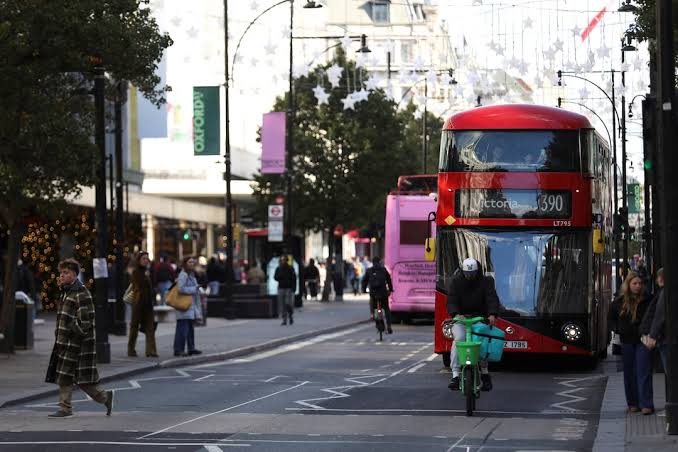
Experts remain divided on the effectiveness of a complete social media ban, with some arguing that education and stronger platform safeguards may be more effective than outright restrictions. Meanwhile, a group of young people recently interviewed in London expressed opposition to tighter controls on social media access.
The discussion reflects a growing international effort to balance the benefits of digital technology with concerns about children’s safety, mental health and well-being in an increasingly connected world.