 11
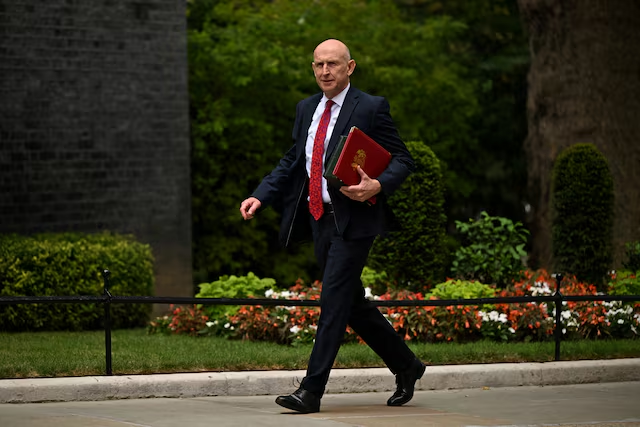
London: UK finance minister John Healey will emphasise the importance of budget discipline and stronger resilience to geopolitical shocks when he meets his international counterparts this week, on his first trip to the annual meetings of the International Monetary Fund.
“I will work with our international partners to keep trade moving, support families and businesses, and make Britain’s economy stronger and more resilient,” Healey said in a statement issued by his office.
According to the finance ministry, Healey will argue that major economies need credible plans to bring borrowing under control. His position echoes similar calls made last week by IMF Managing Director Kristalina Georgieva and Bank of England Governor Andrew Bailey.
The IMF and World Bank are holding their annual meetings this week in Bangkok. Finance ministers and central bank governors are expected to discuss the widening war in the Middle East and its impact on energy prices and inflation. Among other meetings, Healey will hold talks with Ukrainian Finance Minister Sergii Marchenko on economic resilience.
Borrowing Costs at Multi-Decade Highs
Last week, government borrowing costs in major economies rose to their highest levels in decades. The increase was driven by investor concerns over inflation linked to the US-Iran war, high levels of public borrowing and the prospect of higher interest rates.
Budget Pressures Ahead
Healey reiterated that he would deliver “fiscal discipline” in his first annual budget on October 28. He will need to take measures to keep plans for reducing borrowing on track, amid rising debt interest costs and a desire to increase spending on defence and on lowering energy costs.
Britain’s Institute for Fiscal Studies estimates that Healey would need £36 billion in tax increases, equivalent to raising the main rate of income tax by three percentage points, to fully offset the erosion of government finances caused by higher inflation and to fund additional defence spending.