 11
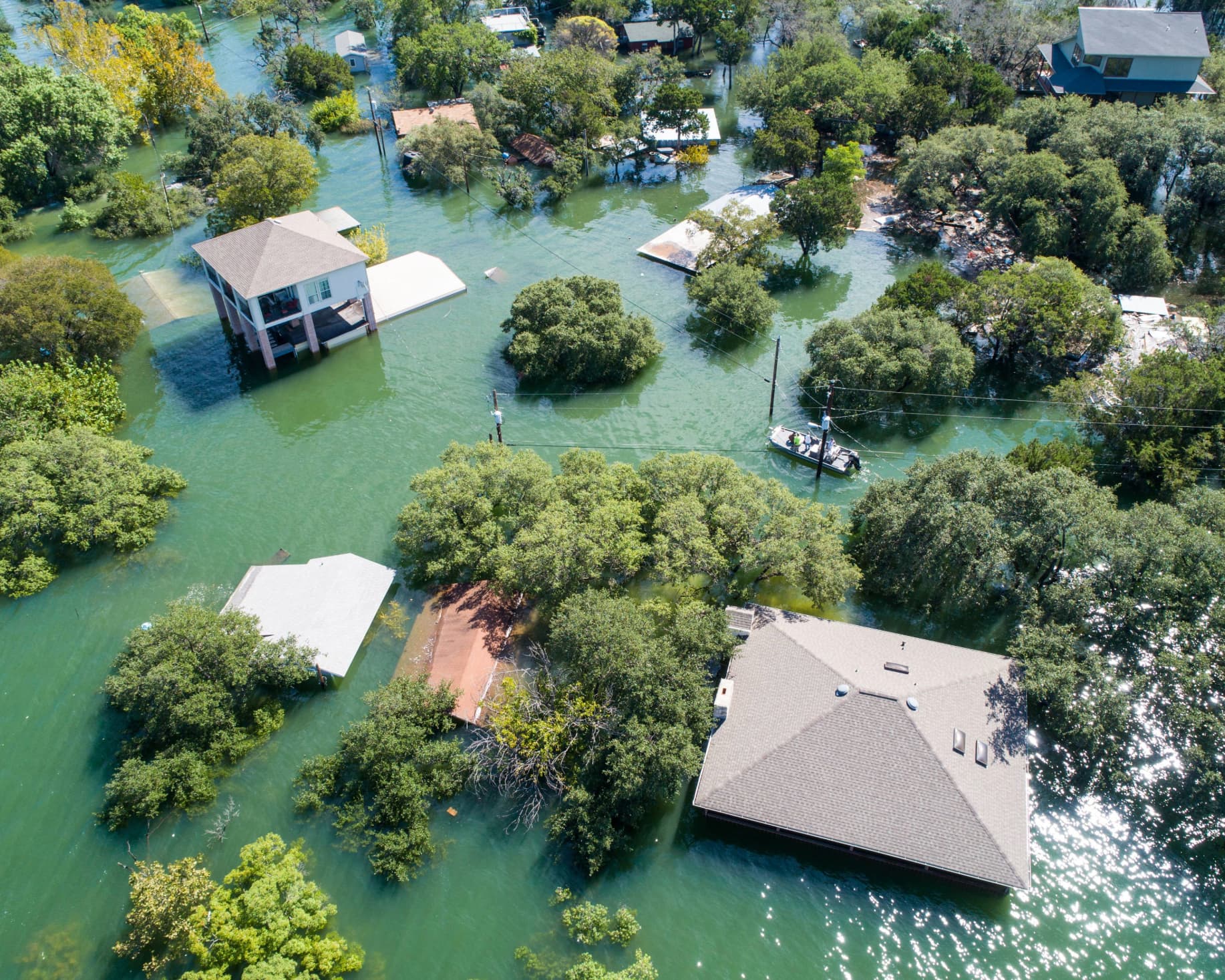
NEW YORK: The world is moving closer to potentially catastrophic climate events as rising global temperatures fuel increasingly frequent and intense heatwaves, floods, droughts, storms and wildfires, climate scientists have warned.
According to a report by The Associated Press, scientists have long cautioned that continued emissions of greenhouse gases from fossil fuels are increasing the likelihood of extreme weather events. While the timing and precise nature of any single catastrophic event cannot be predicted, experts say the conditions for unprecedented climate disturbances are becoming increasingly evident.
Earth’s average temperature in 2025 was about 1.44 degrees Celsius above the early 1800s, contributing to greater risks from extreme weather. Scientists have pointed to major disasters in recent years, including Australia’s devastating 2019-20 wildfire season, Pakistan’s catastrophic 2022 floods, and major hurricanes and wildfires in the United States, as examples of the growing scale of climate-related hazards.
Experts also caution that reaching net-zero emissions would not immediately halt the effects of climate change. Carbon dioxide can remain in the atmosphere for hundreds of years, meaning some climate impacts could persist even after emissions are substantially reduced.
Scientists are increasingly concerned about potential climate “tipping points,” including the deterioration of coral reefs and the degradation of the Amazon rainforest. According to the report, 84% of the world’s corals experienced heat-related bleaching between 2023 and 2025, raising concerns about long-term ecosystem damage.
Climate scientists stress that governments and communities should prepare for severe scenarios while simultaneously accelerating efforts to reduce greenhouse gas emissions. They argue that improved infrastructure, disaster preparedness and stronger climate policies could help limit the human and economic consequences of future extreme events.
Experts emphasize that although it is impossible to determine exactly when or where a major climate catastrophe could occur, the growing frequency of extreme events underscores the need for urgent action and greater preparedness.