 11
11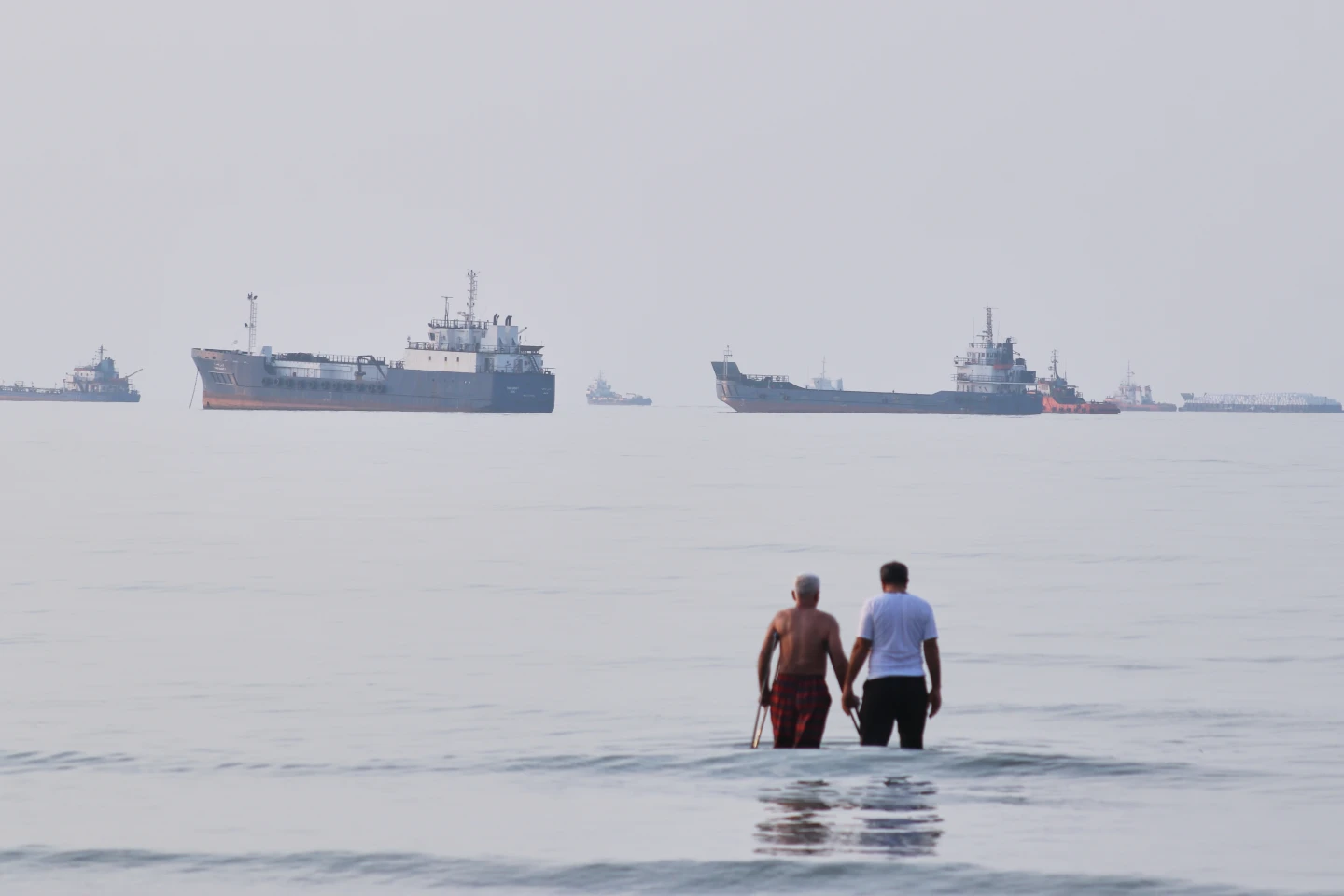
The renewed confrontation between the United States and Iran has once again placed the Strait of Hormuz at the center of global geopolitics. While Washington possesses overwhelming conventional military superiority, recent developments demonstrate that restoring normal shipping through the strategic waterway is far more complex than defeating an adversary on the battlefield.
The Strait of Hormuz carries roughly one-fifth of the world’s seaborne oil exports, making it one of the most strategically important maritime chokepoints. Any prolonged disruption immediately reverberates through global energy markets, raising oil prices, increasing shipping insurance costs and threatening inflation in both developed and emerging economies.
Military analysts argue that the United States can strike Iranian missile sites, naval assets and drone facilities, but permanently securing the waterway presents a far greater challenge. Iran has spent decades developing an asymmetric defense strategy based on mobile missile launchers, naval mines, drones, fast attack boats and dispersed military infrastructure. These systems are intentionally designed to survive conventional air campaigns and continue threatening commercial shipping even after extensive bombardment.
The latest U.S. operations highlight this dilemma. Despite repeated airstrikes and the restoration of a naval blockade, commercial shipping has not fully returned to normal. Many shipping companies continue to avoid the Strait because the perception of danger alone is sufficient to disrupt trade. For commercial operators, the risk of a single successful attack outweighs the financial benefits of maintaining regular routes.
Experts suggest that completely eliminating Iran’s capability to threaten maritime traffic would likely require a much larger military commitment than air and naval operations alone. Such an effort could involve prolonged ground operations to locate concealed missile sites and secure extensive stretches of Iran’s coastline—an option that carries enormous political, military and financial risks for Washington.
The conflict also exposes the limits of military deterrence in modern hybrid warfare. Iran does not need to shut down the Strait entirely to achieve strategic leverage. Occasional attacks, drone strikes or even credible threats can reduce shipping volumes, elevate insurance premiums and generate uncertainty in international energy markets. This strategy enables Tehran to impose significant economic costs without engaging in direct conventional confrontation.
For the United States, the challenge extends beyond the battlefield. Maintaining a prolonged military presence in the Gulf requires sustained political support at home, cooperation from regional allies and continued diplomatic engagement with international partners that depend heavily on Gulf energy supplies. Rising oil prices and the economic consequences of prolonged instability could also increase domestic political pressure on the U.S. administration.
Ultimately, the Strait of Hormuz crisis illustrates that military superiority alone cannot guarantee maritime security. Long-term stability will likely depend on a combination of credible deterrence, multinational naval cooperation and sustained diplomatic efforts aimed at reducing tensions between Washington and Tehran. Until those conditions emerge, the Strait is expected to remain one of the world’s most volatile strategic flashpoints, with implications extending far beyond the Middle East.